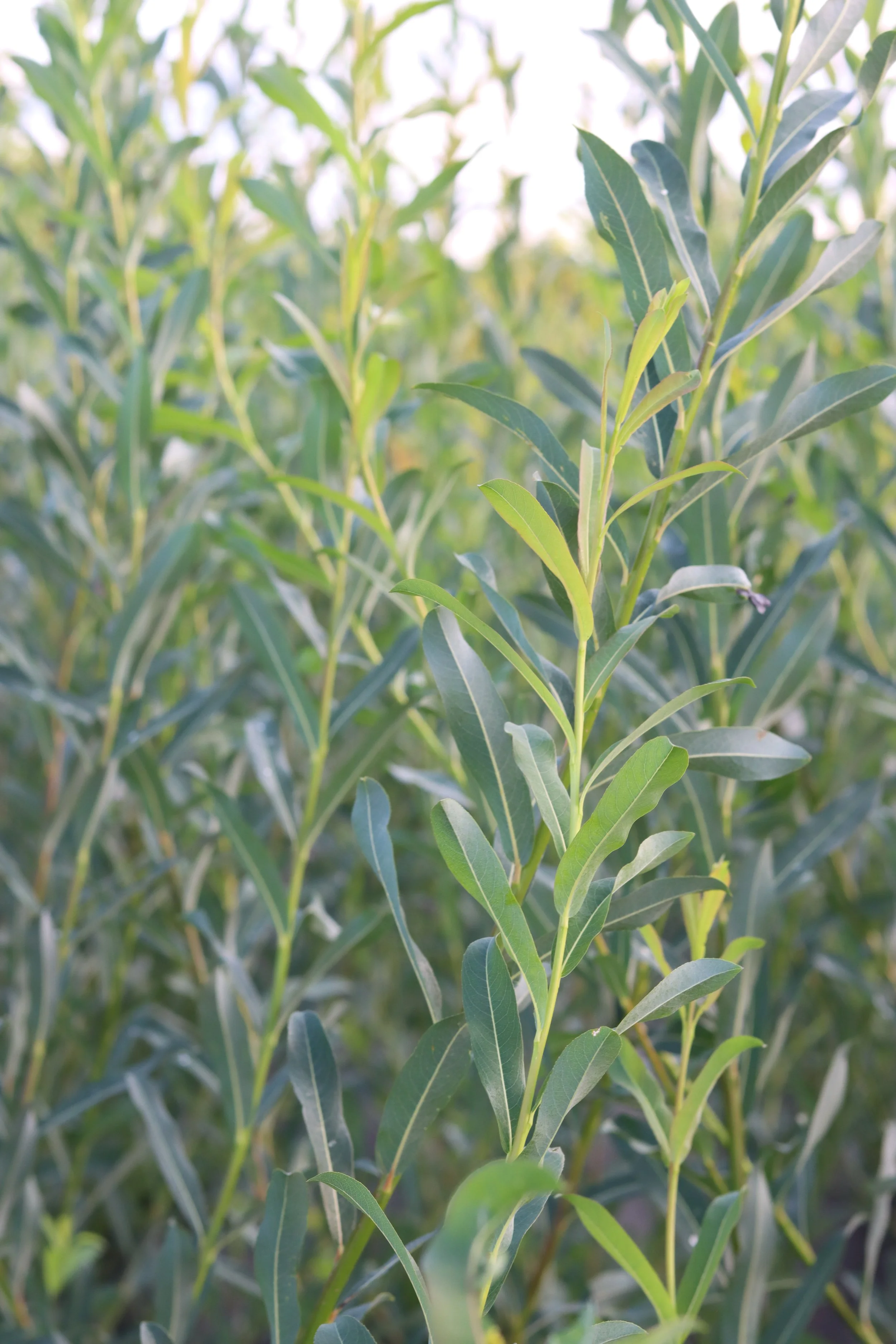
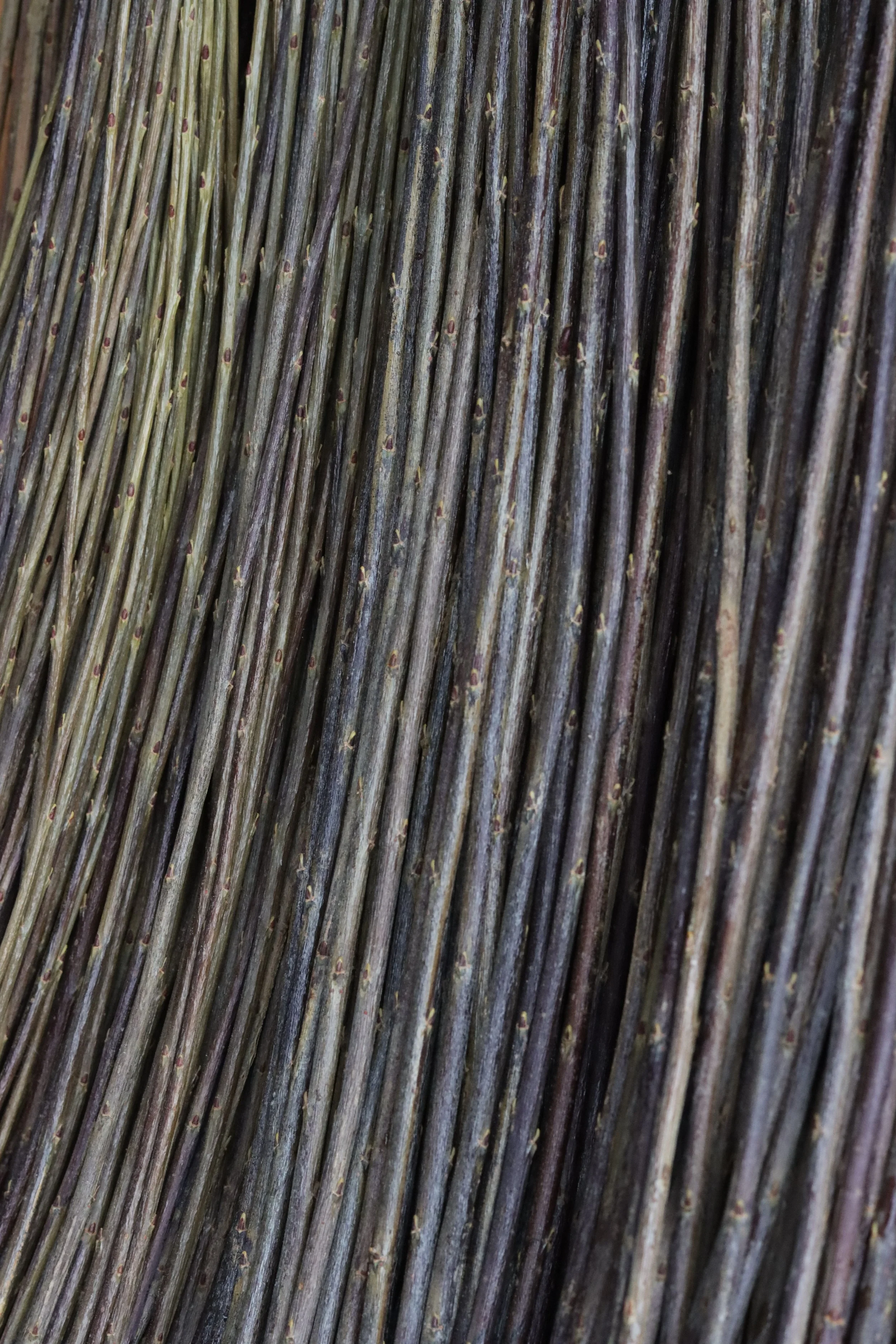
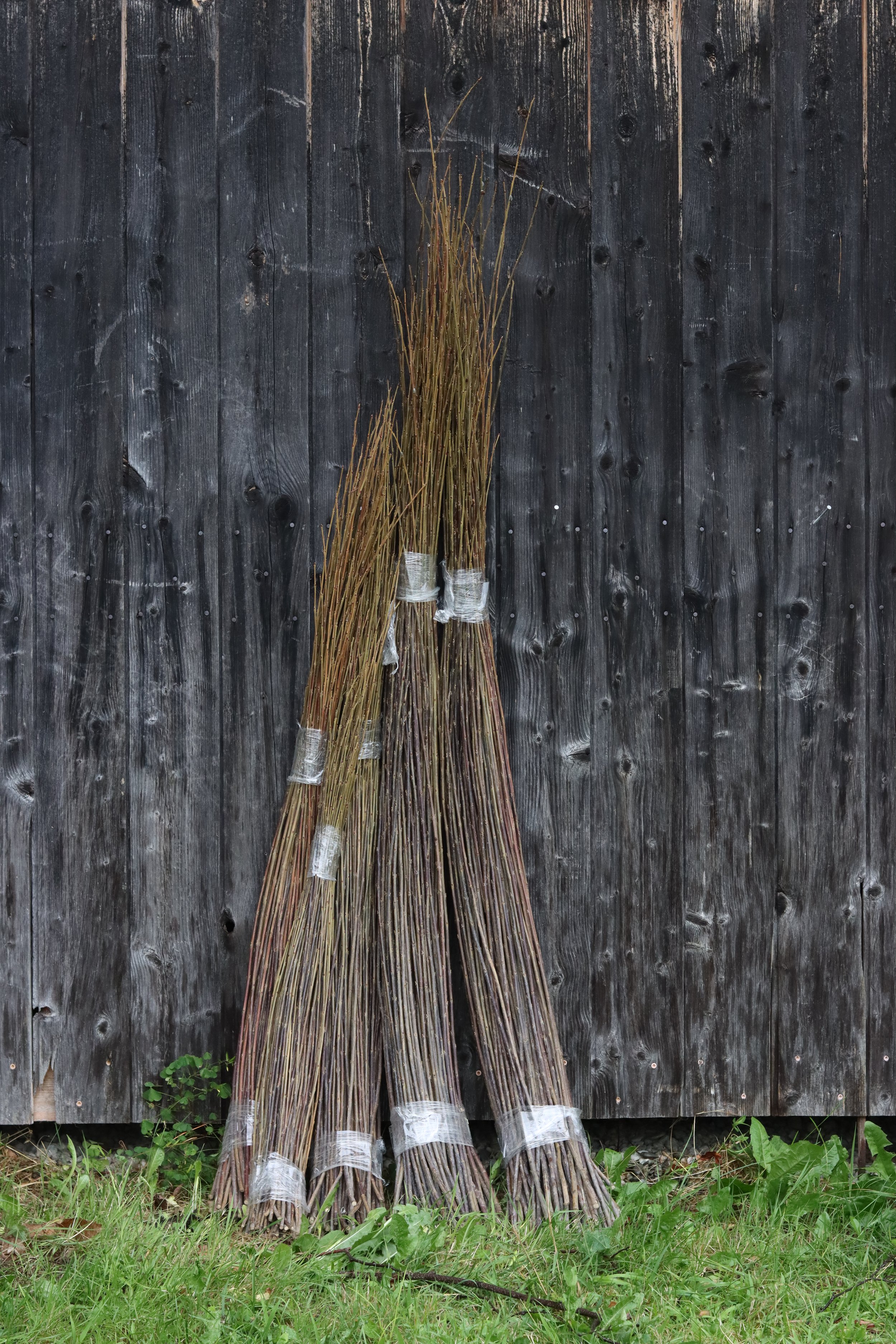
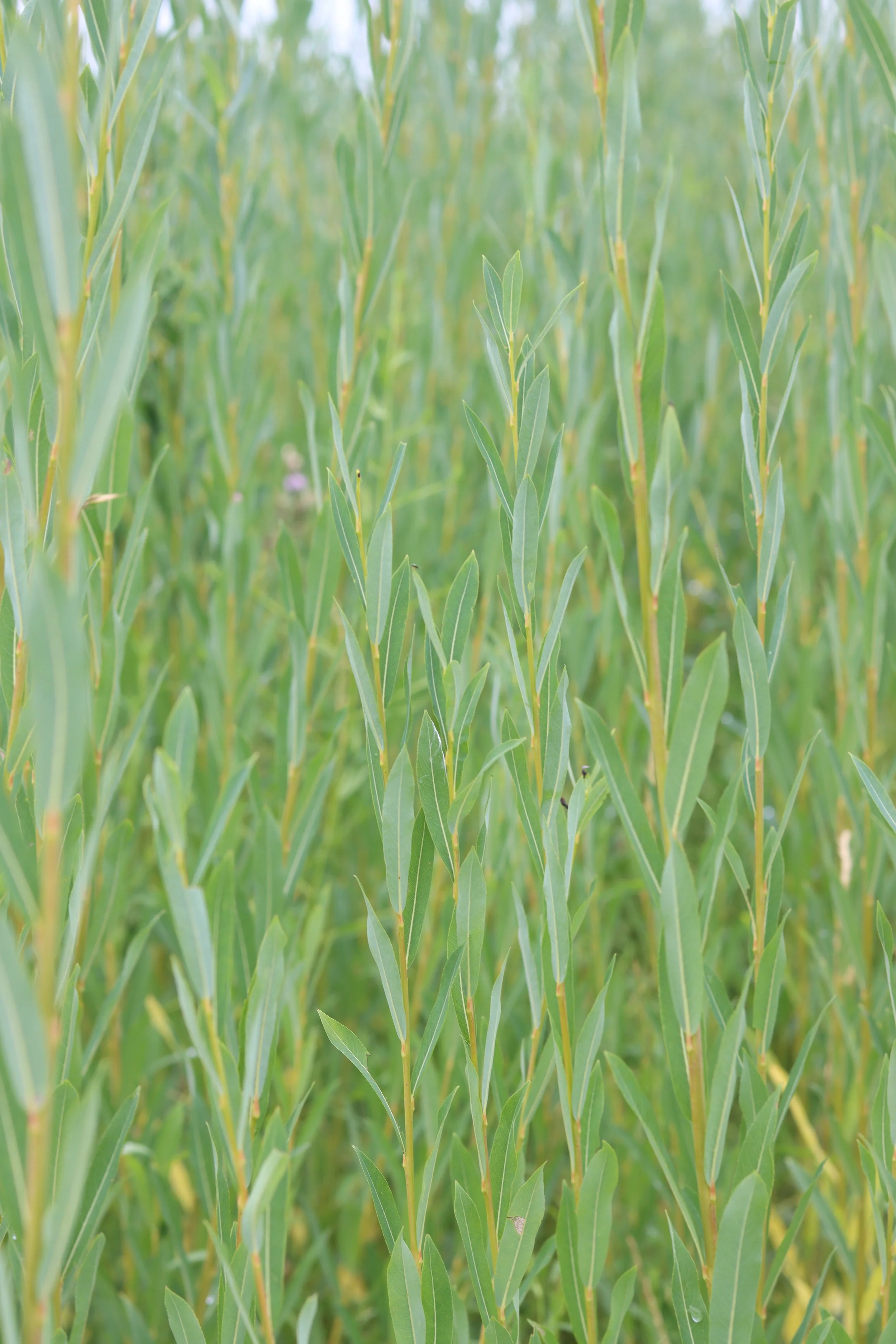
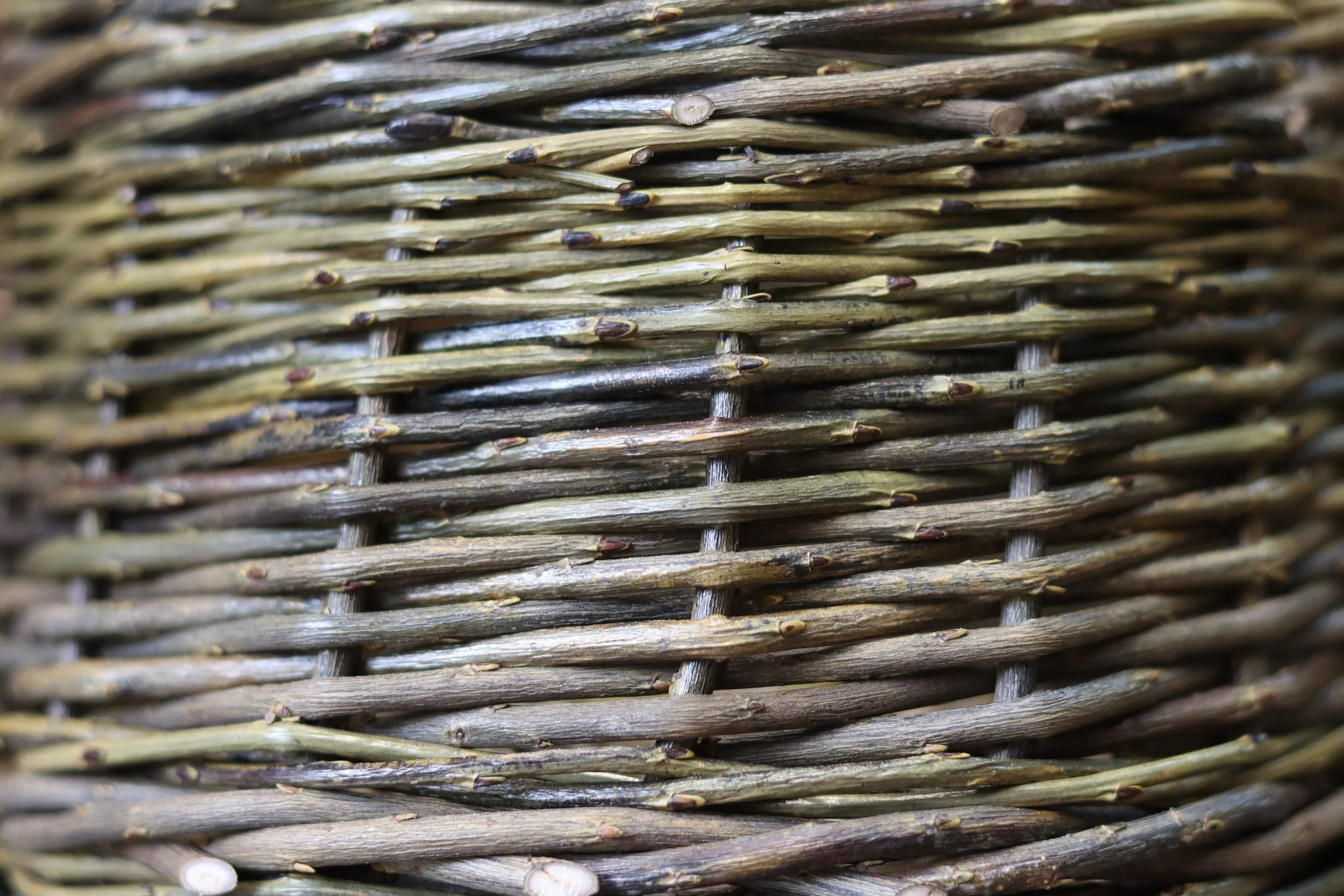
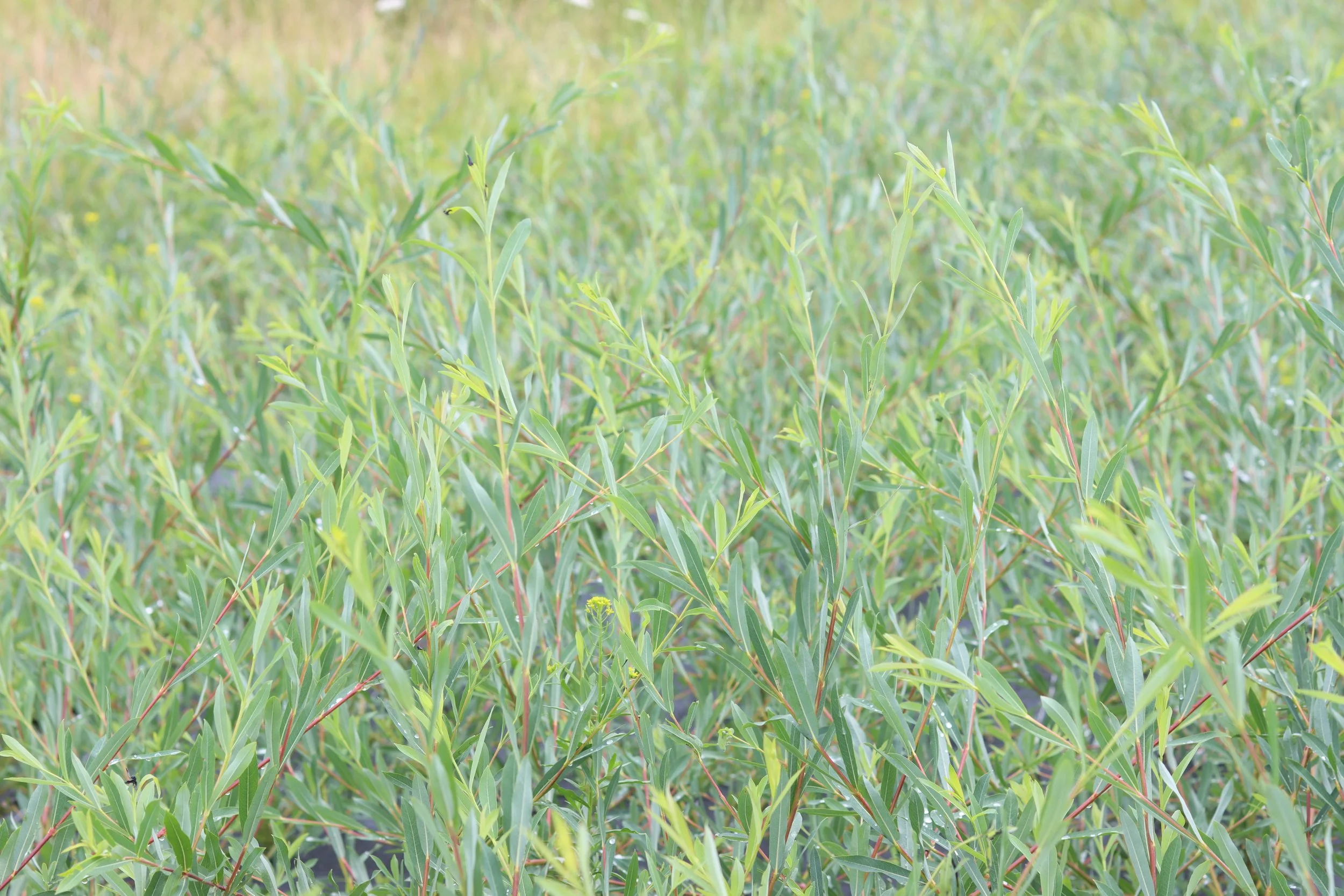
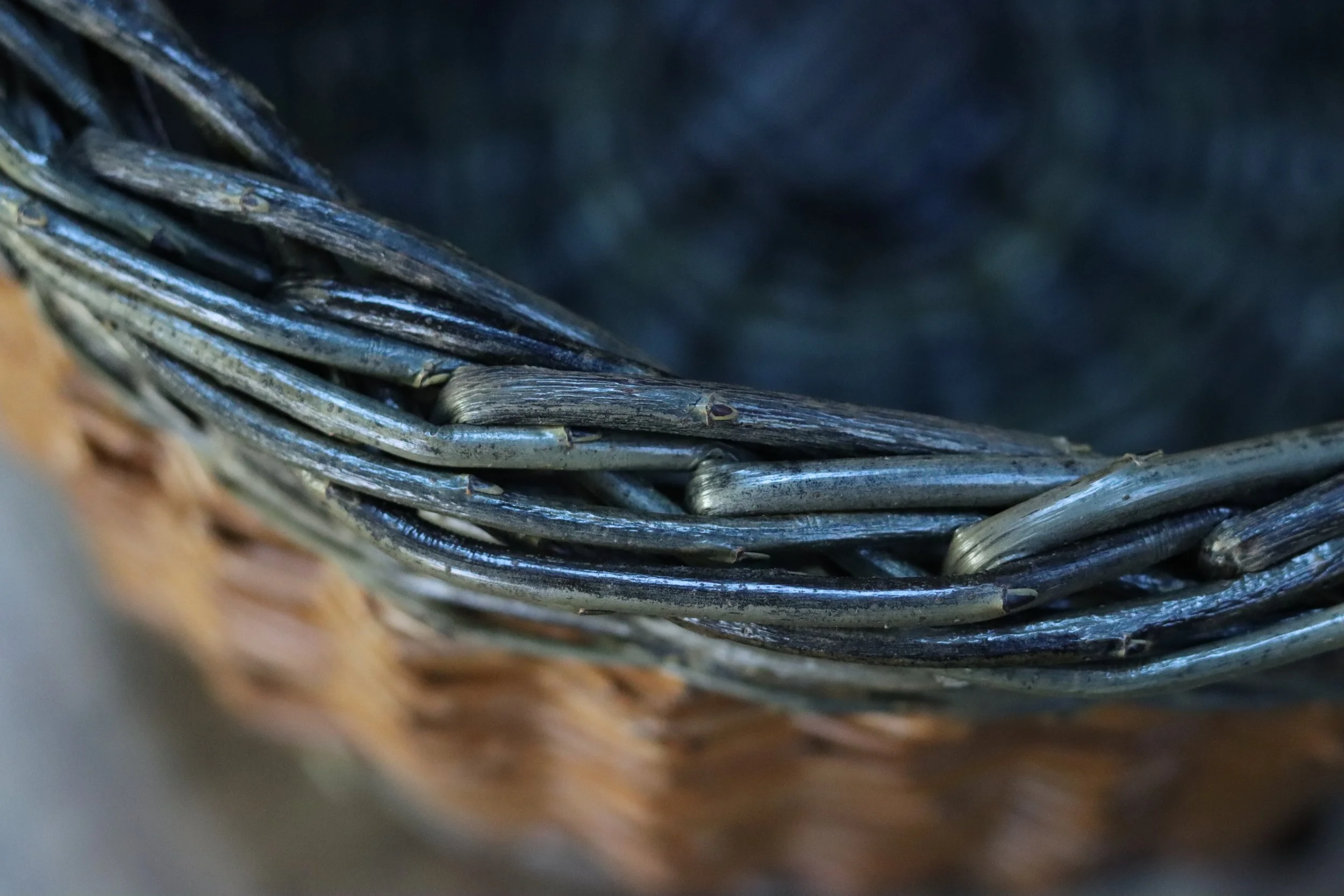
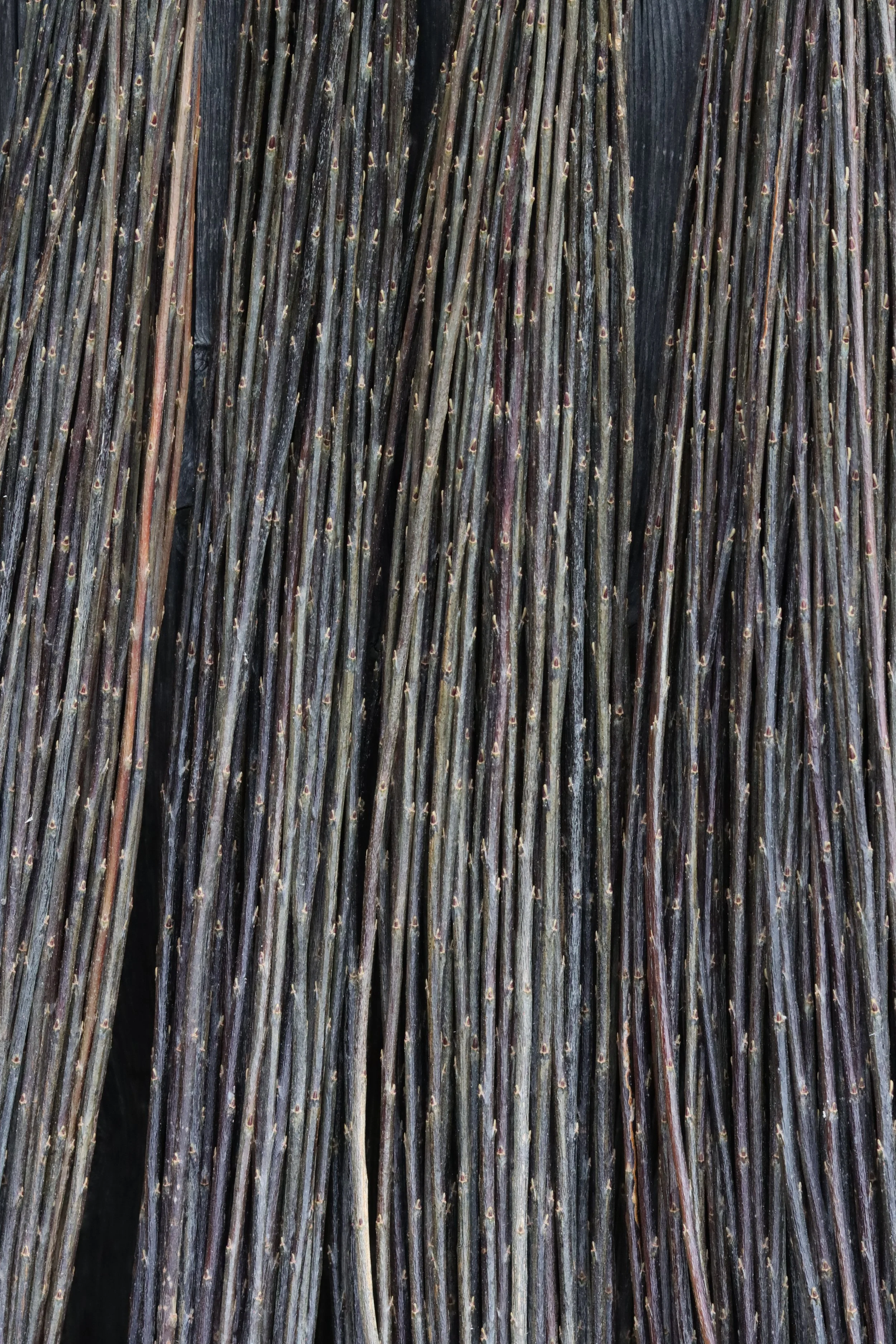
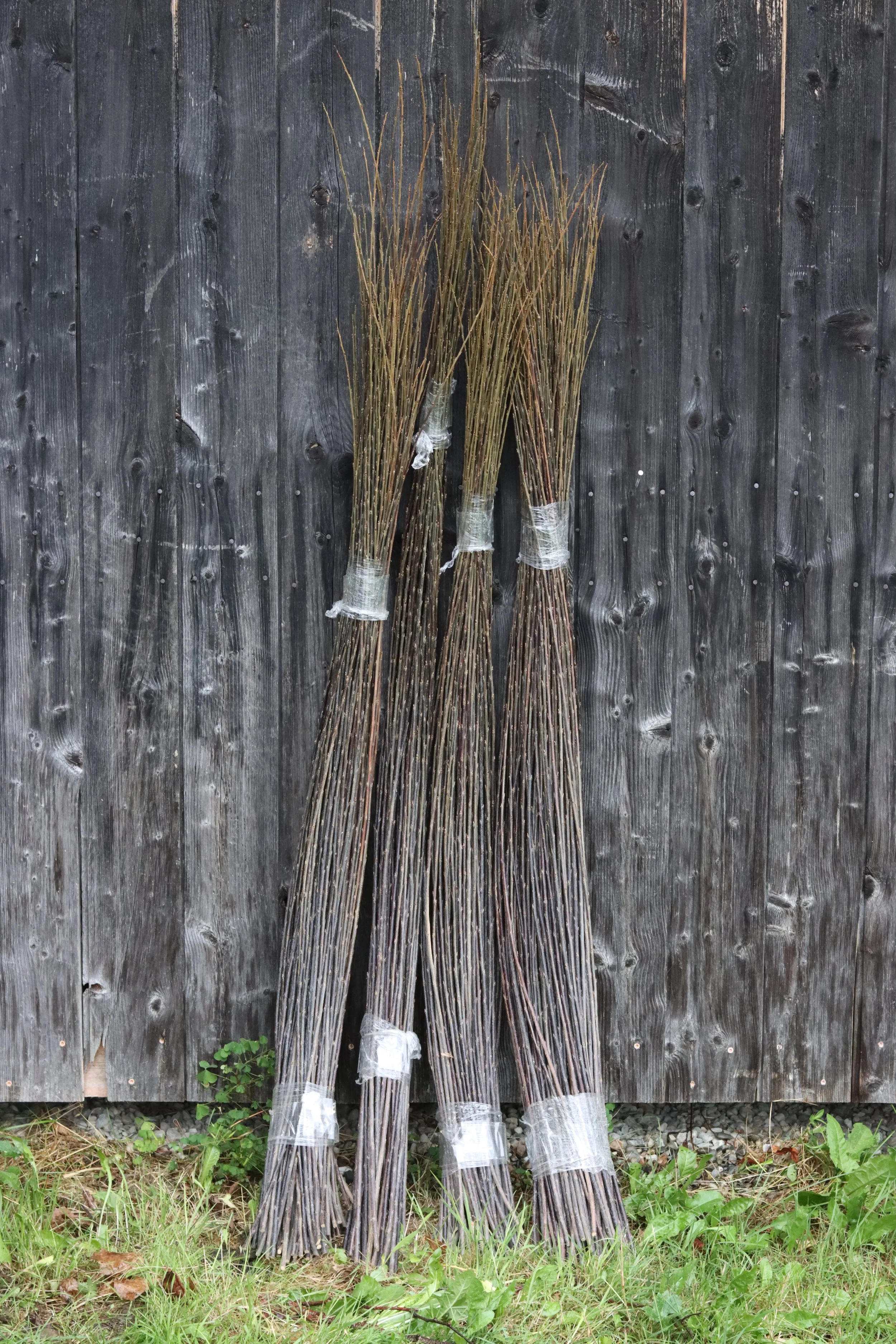
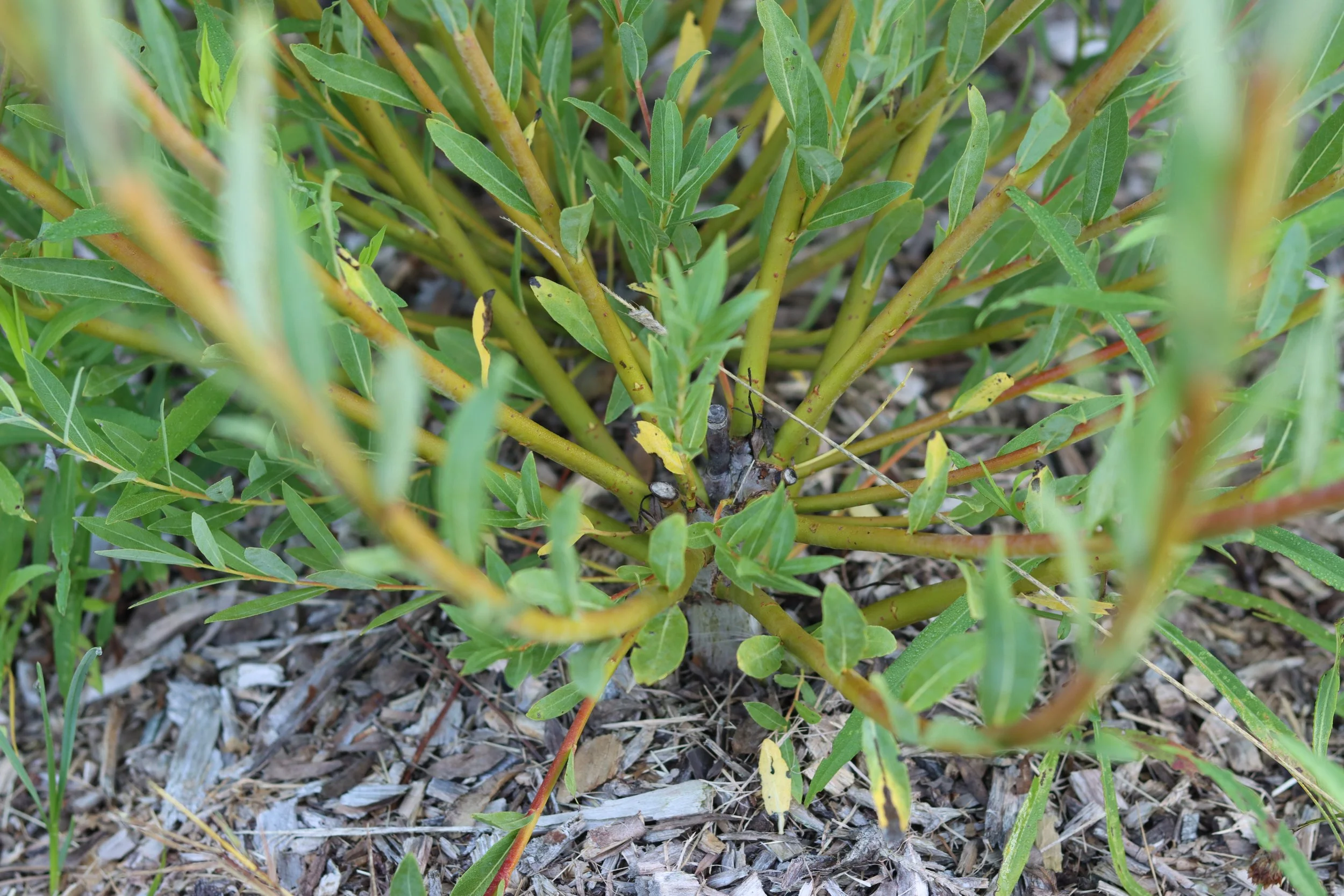
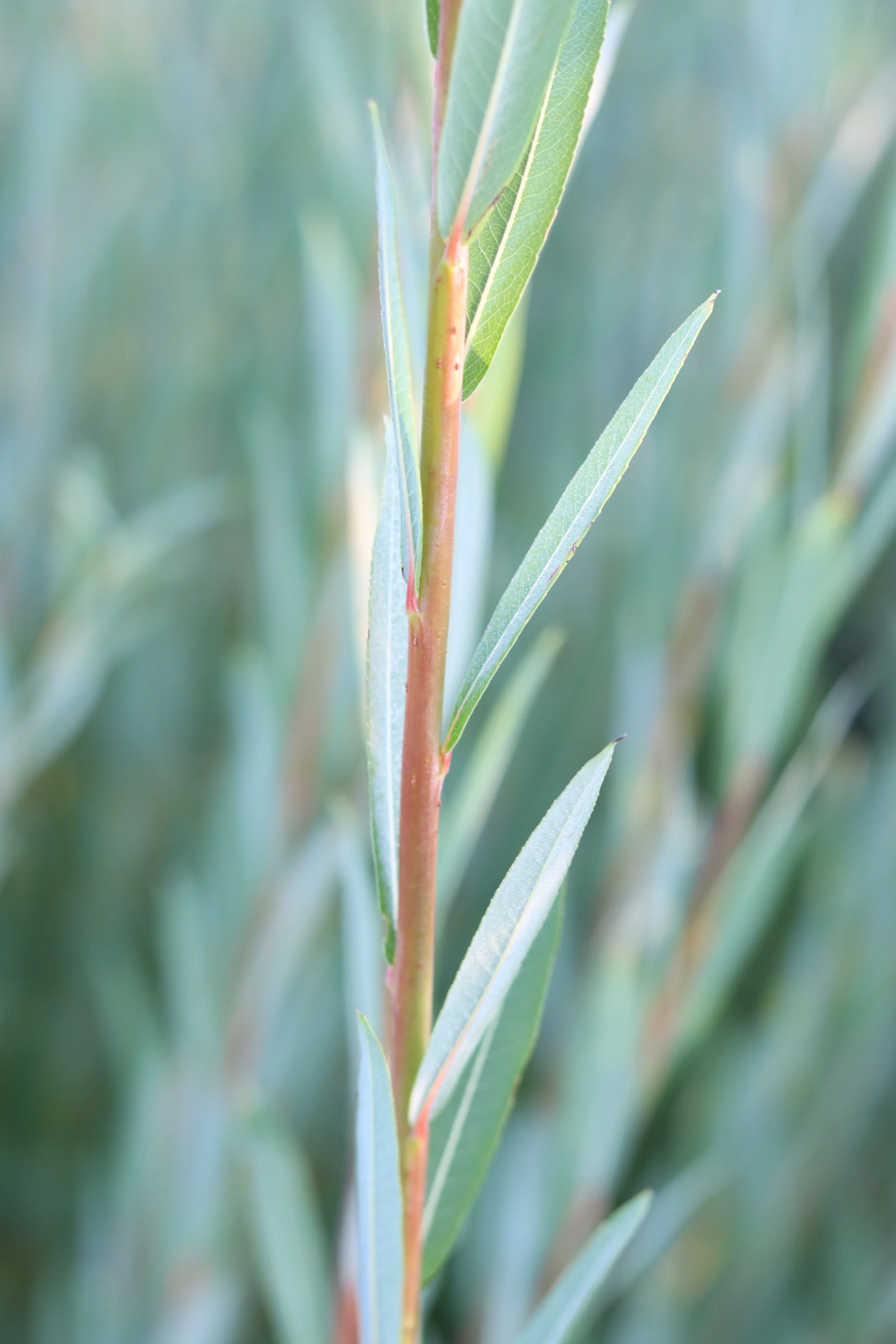
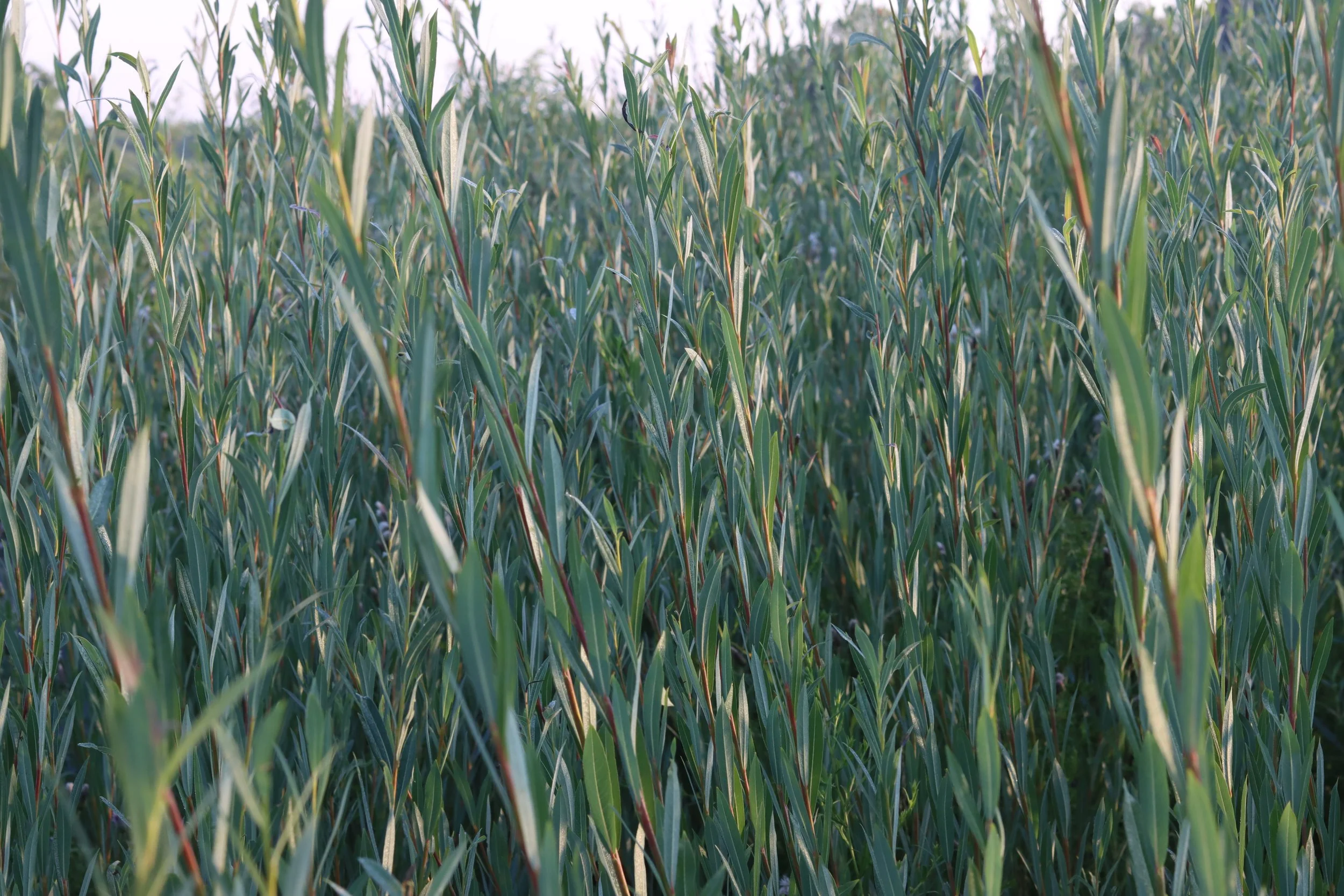
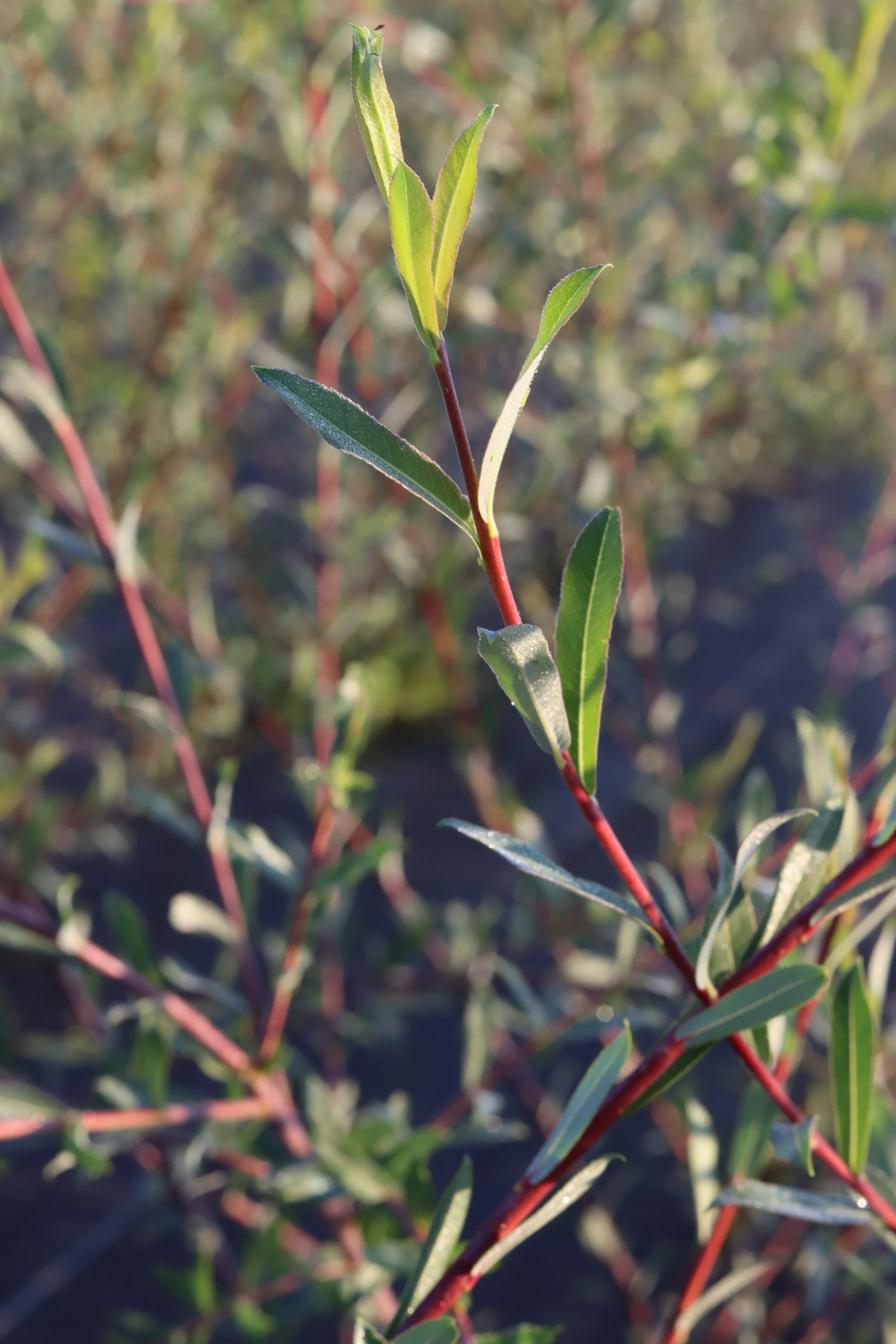
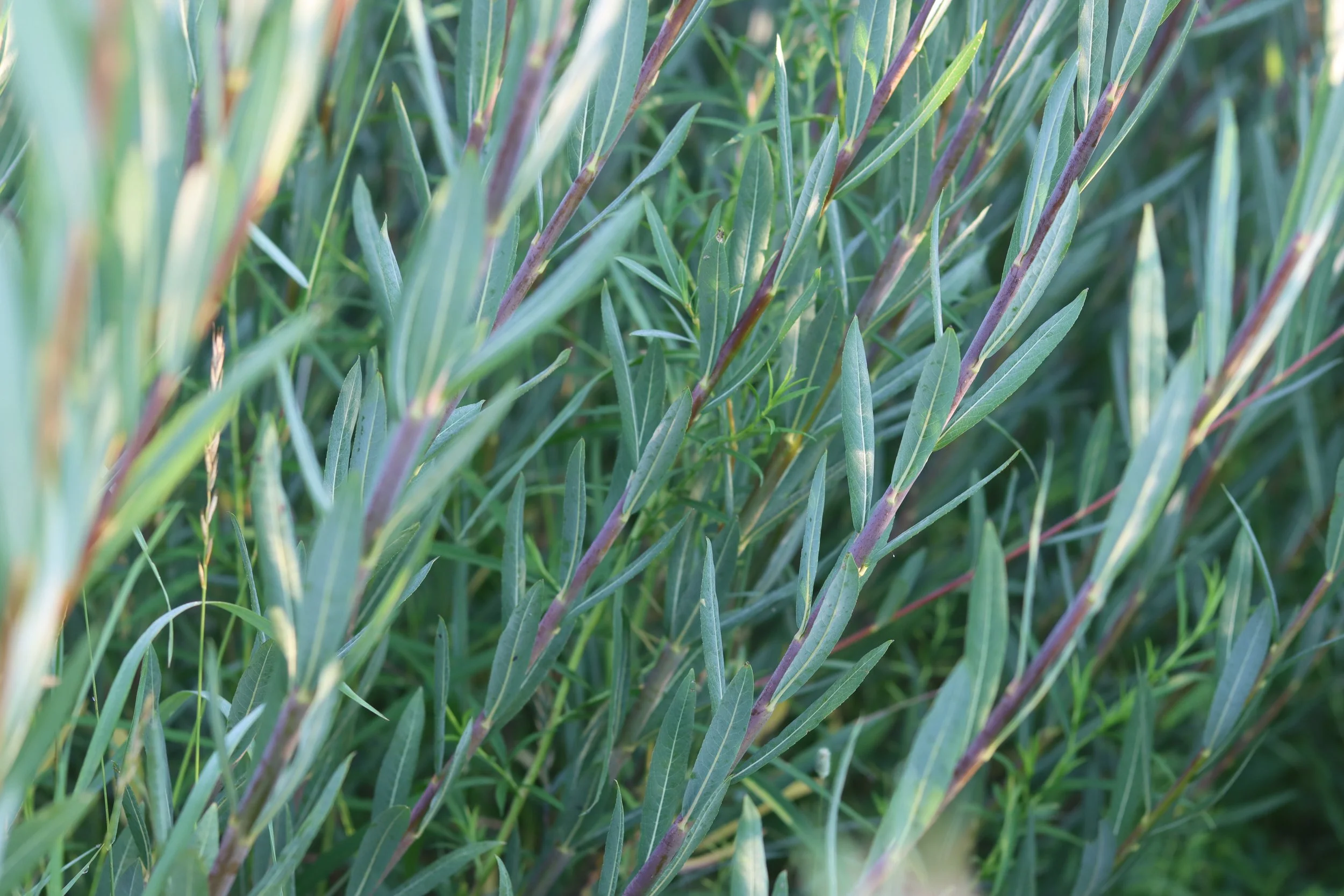
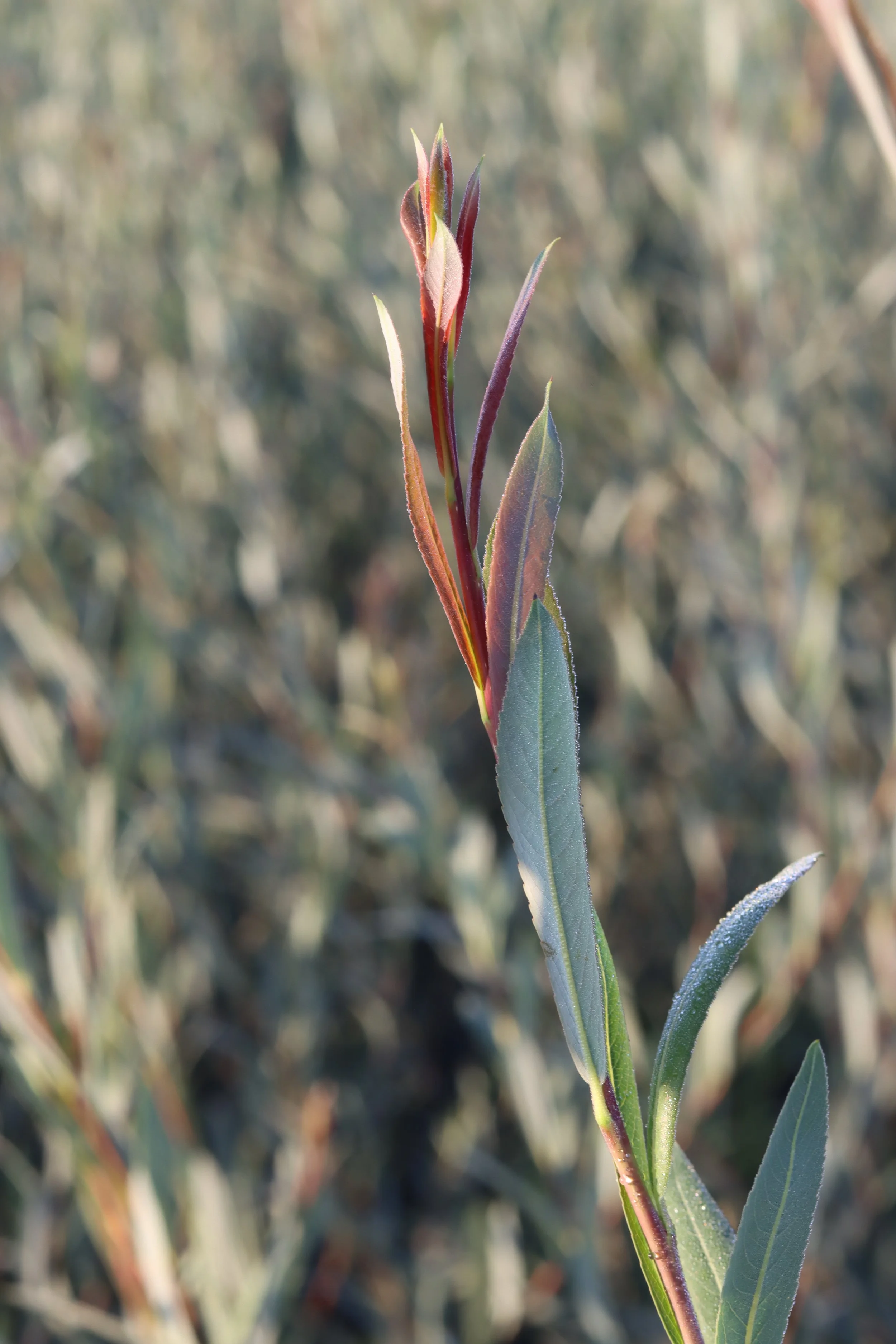
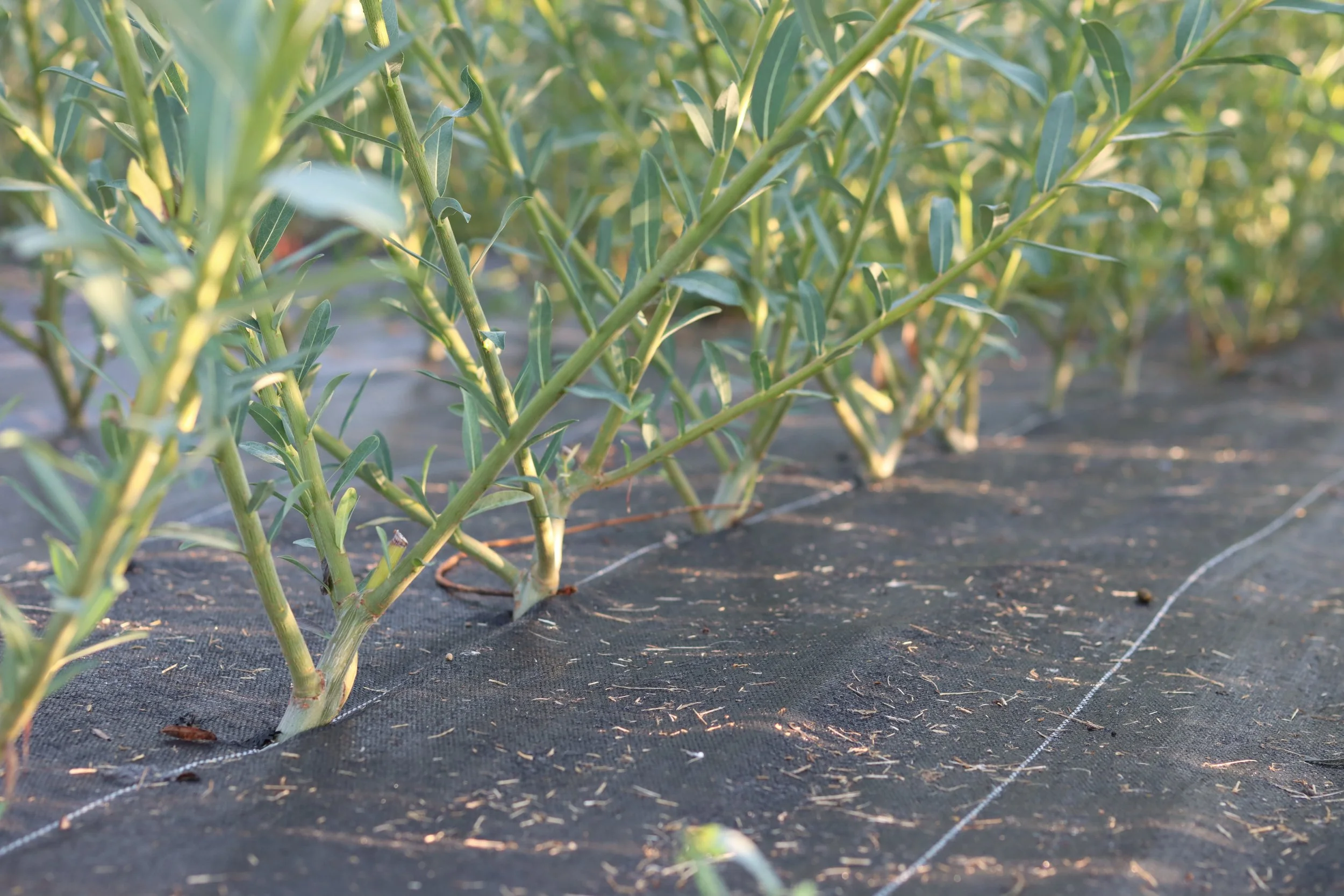
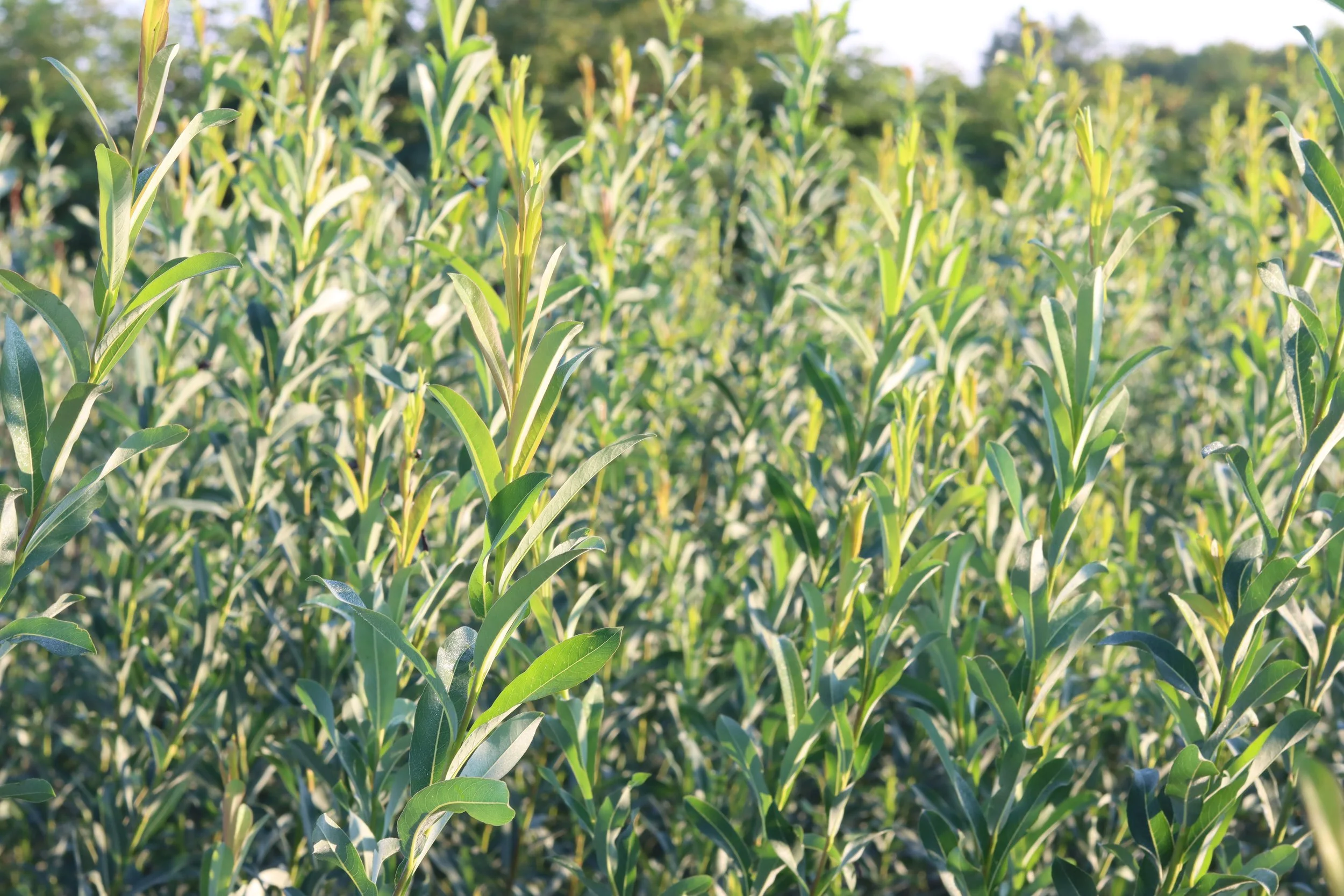
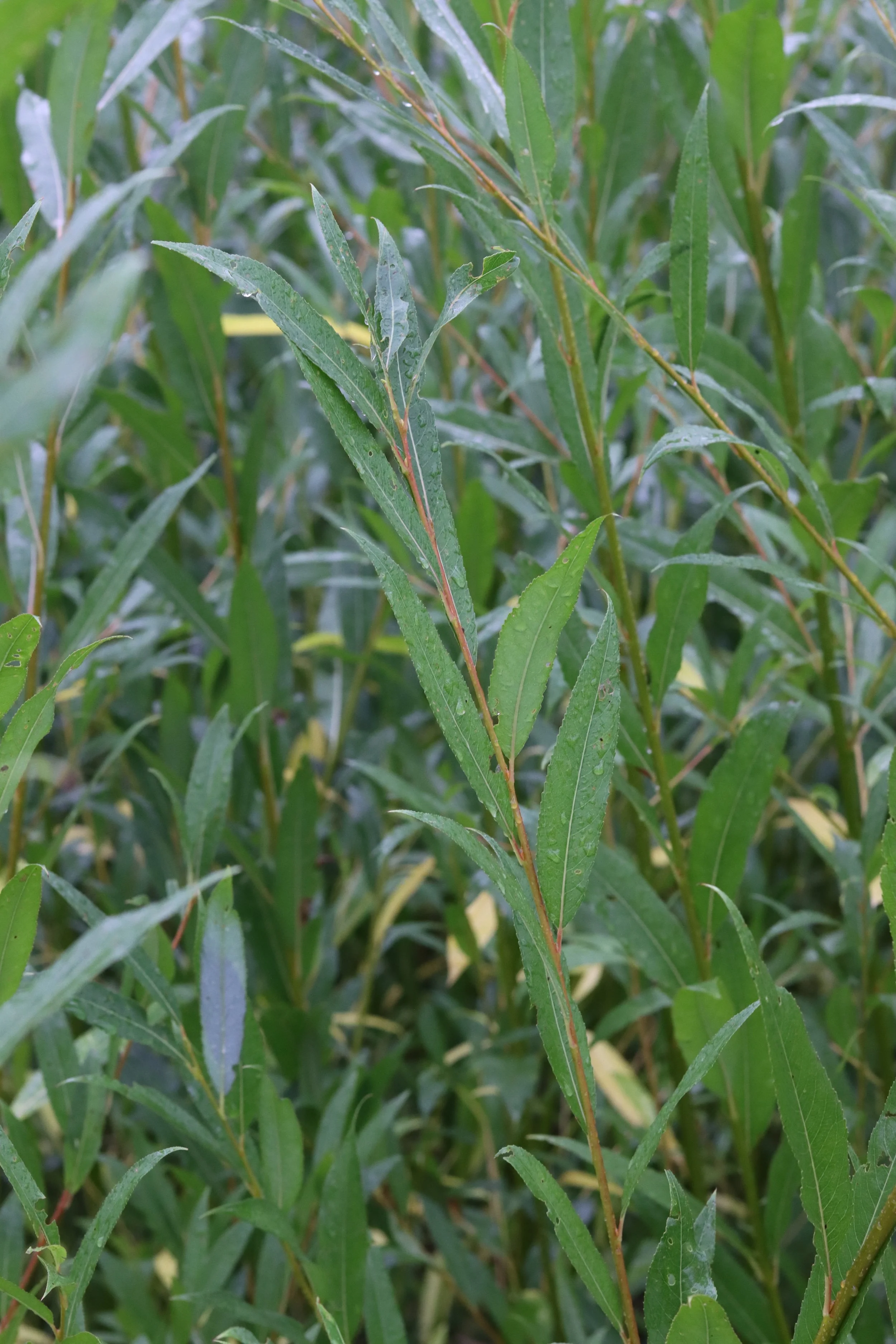
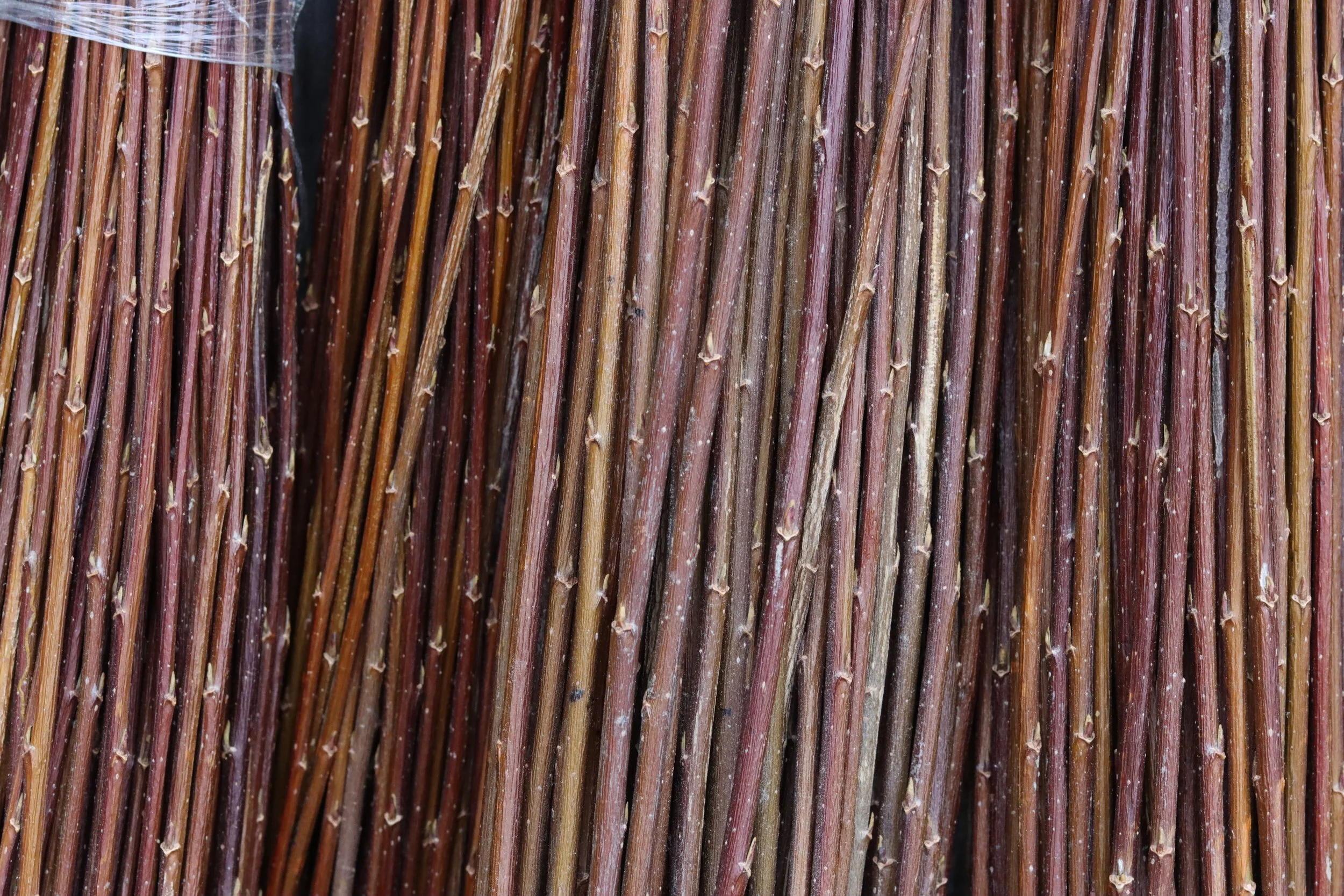
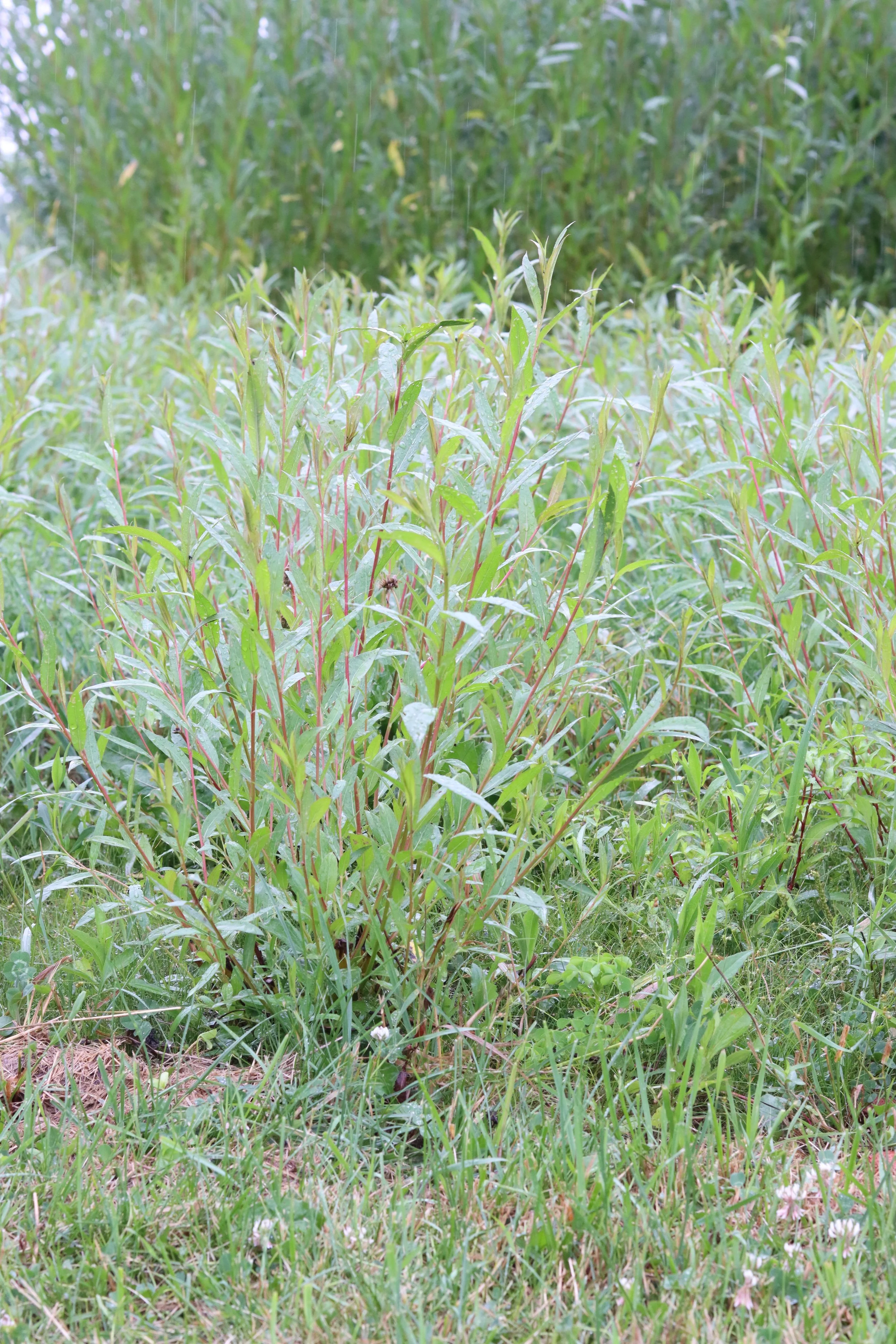
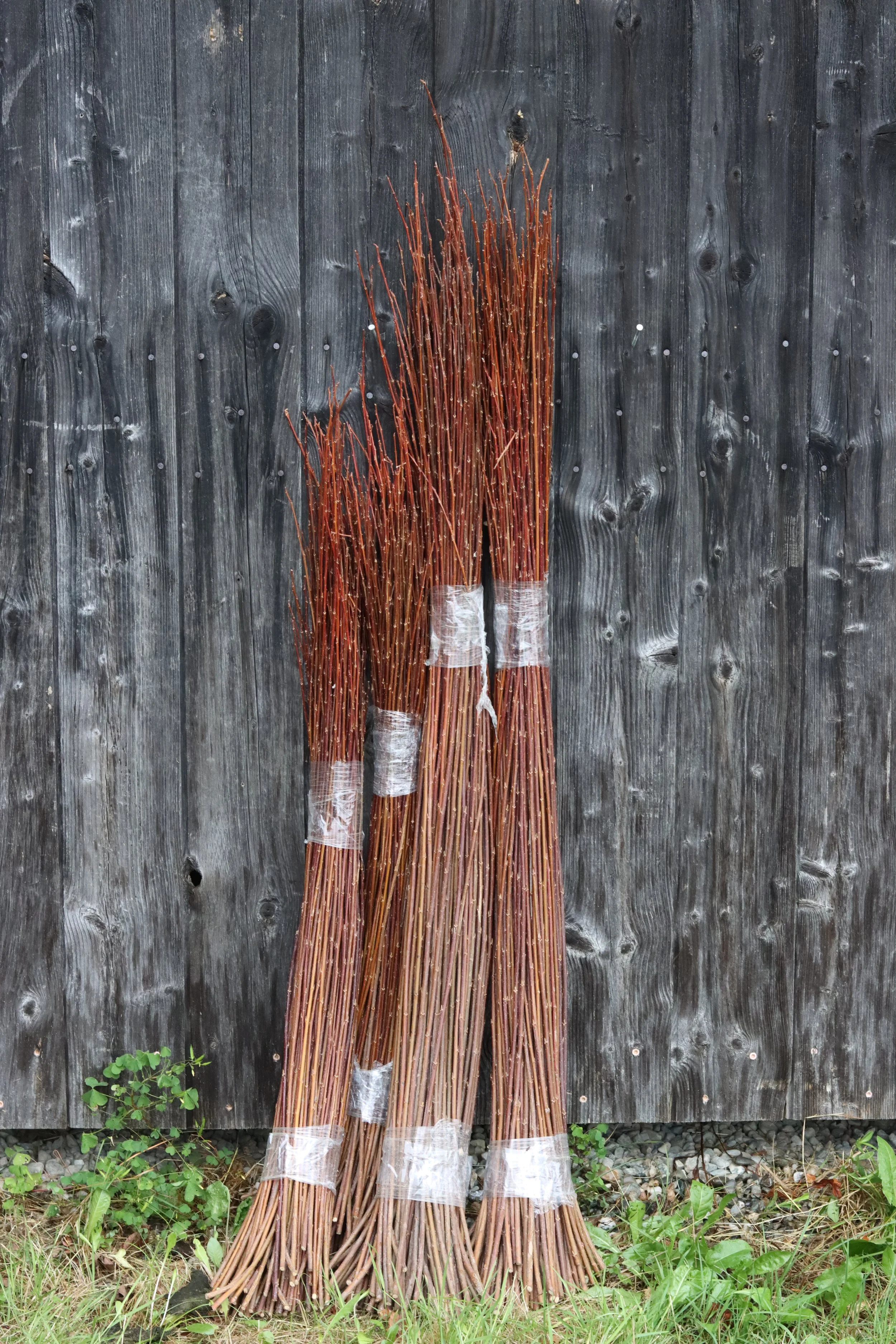
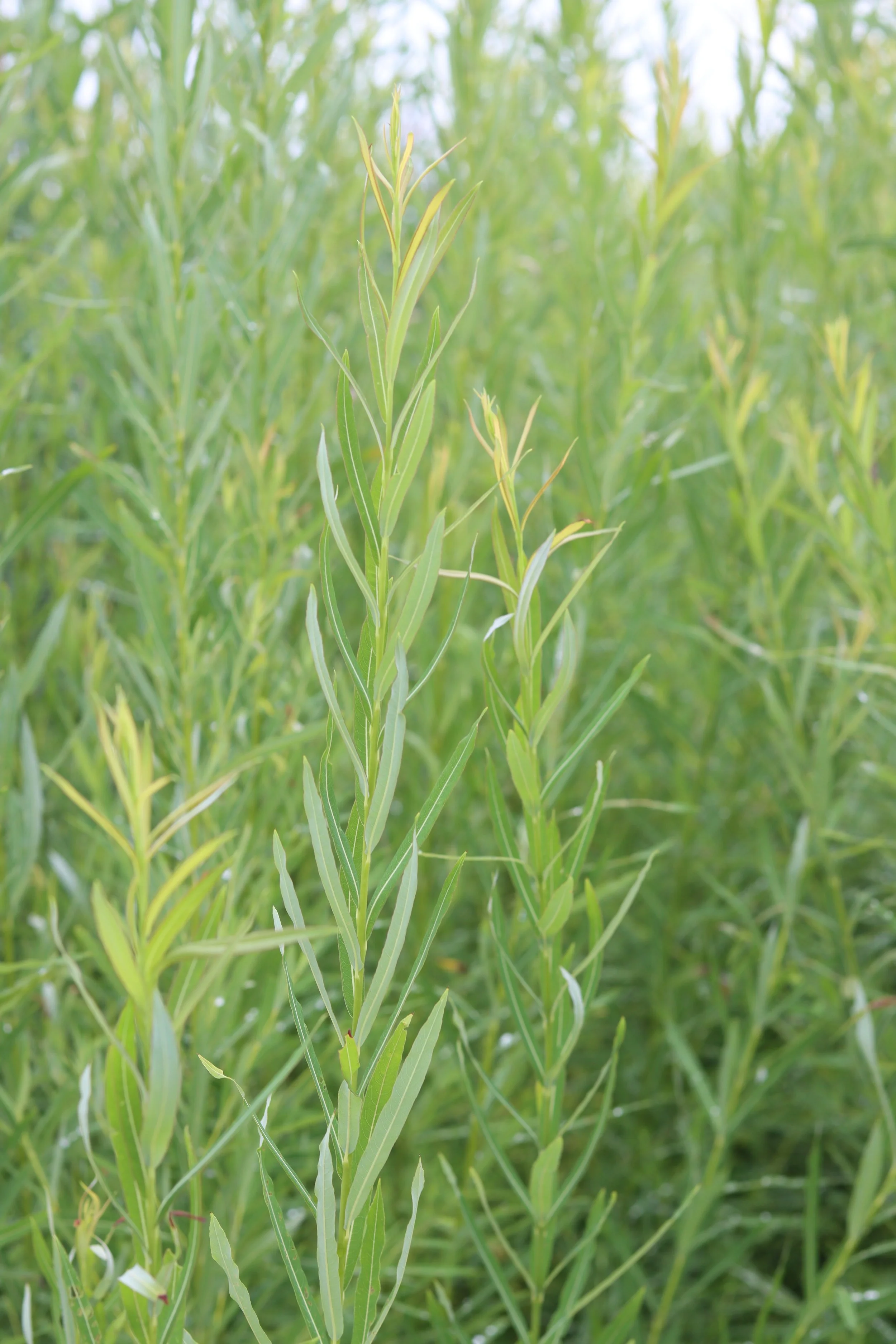
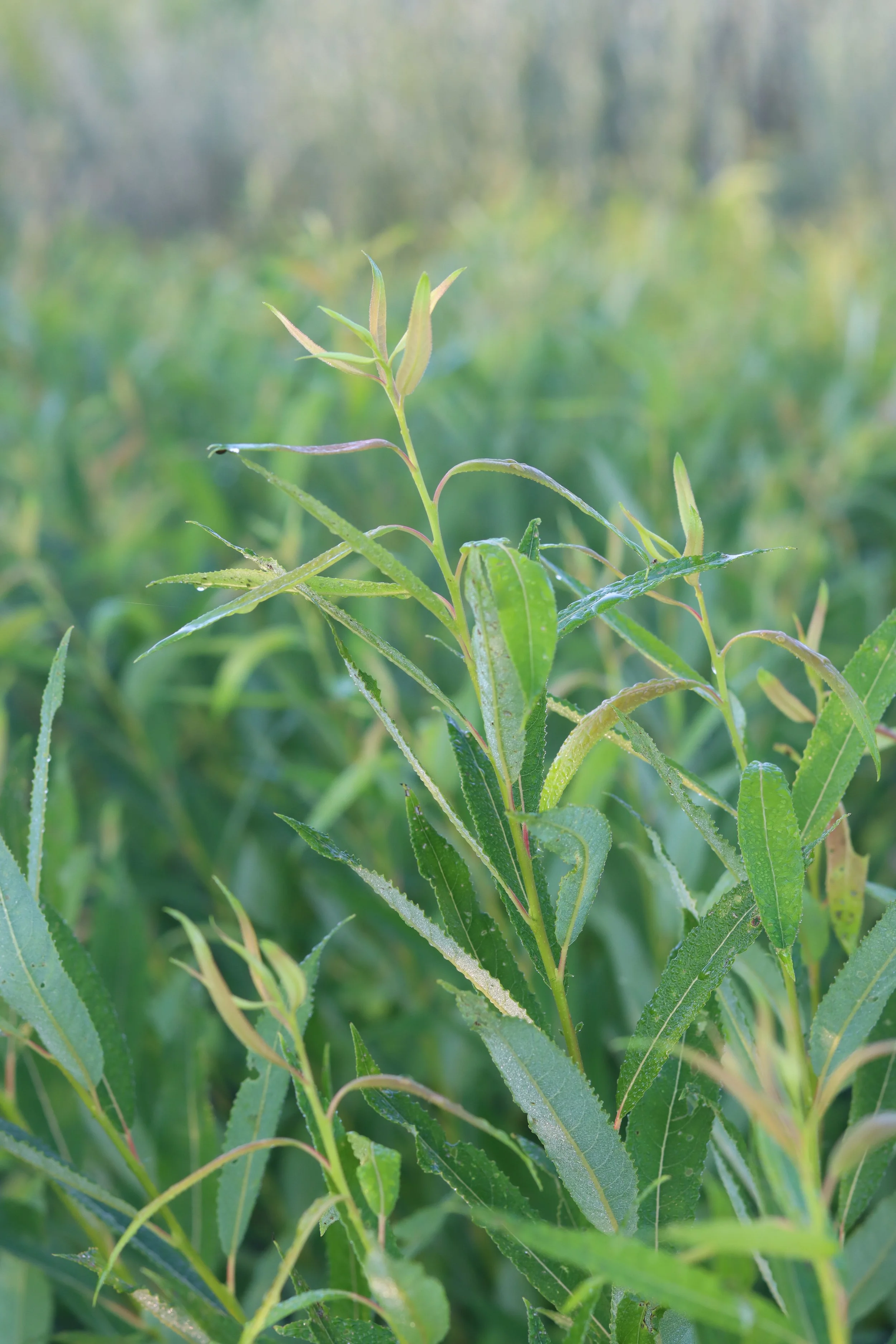
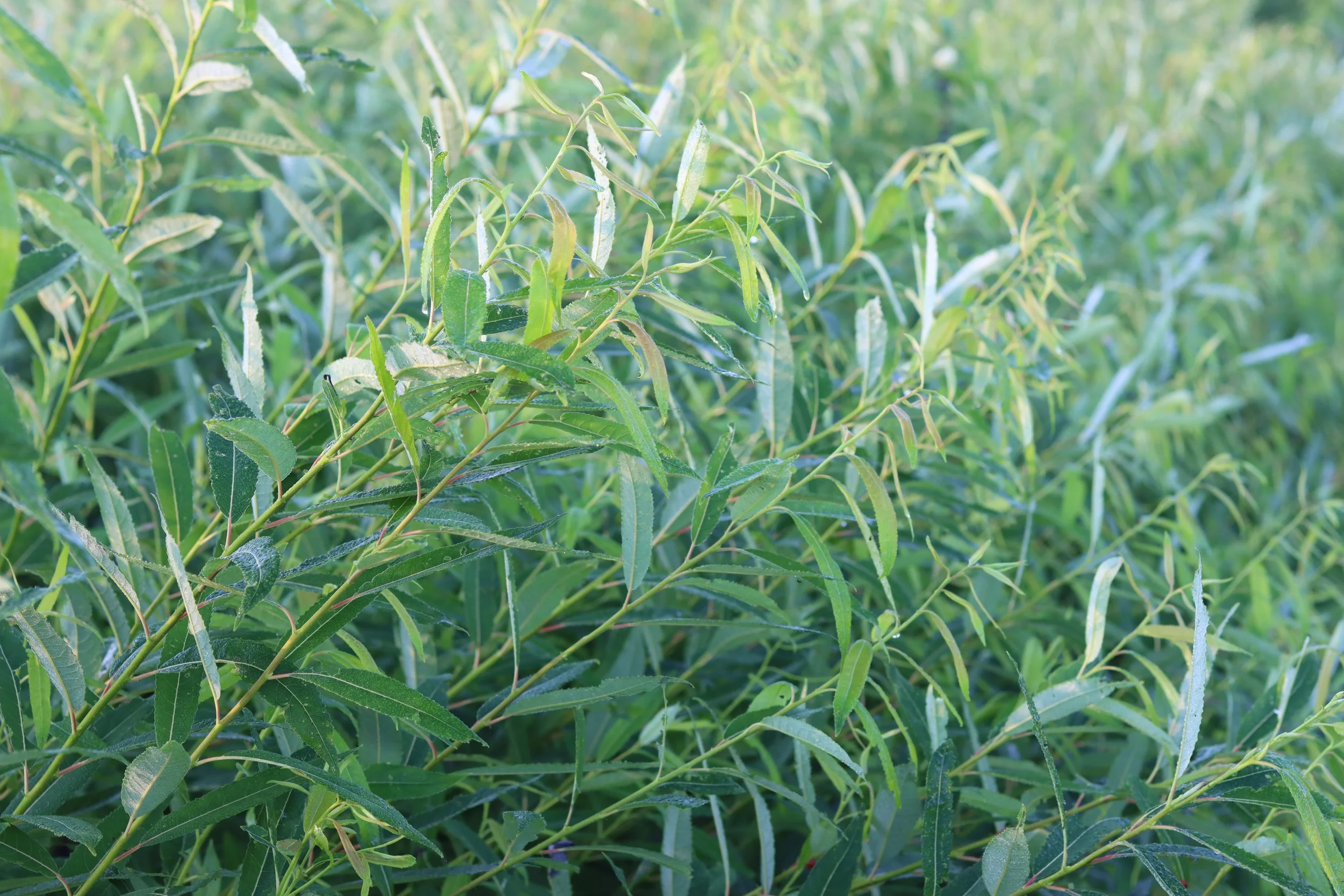
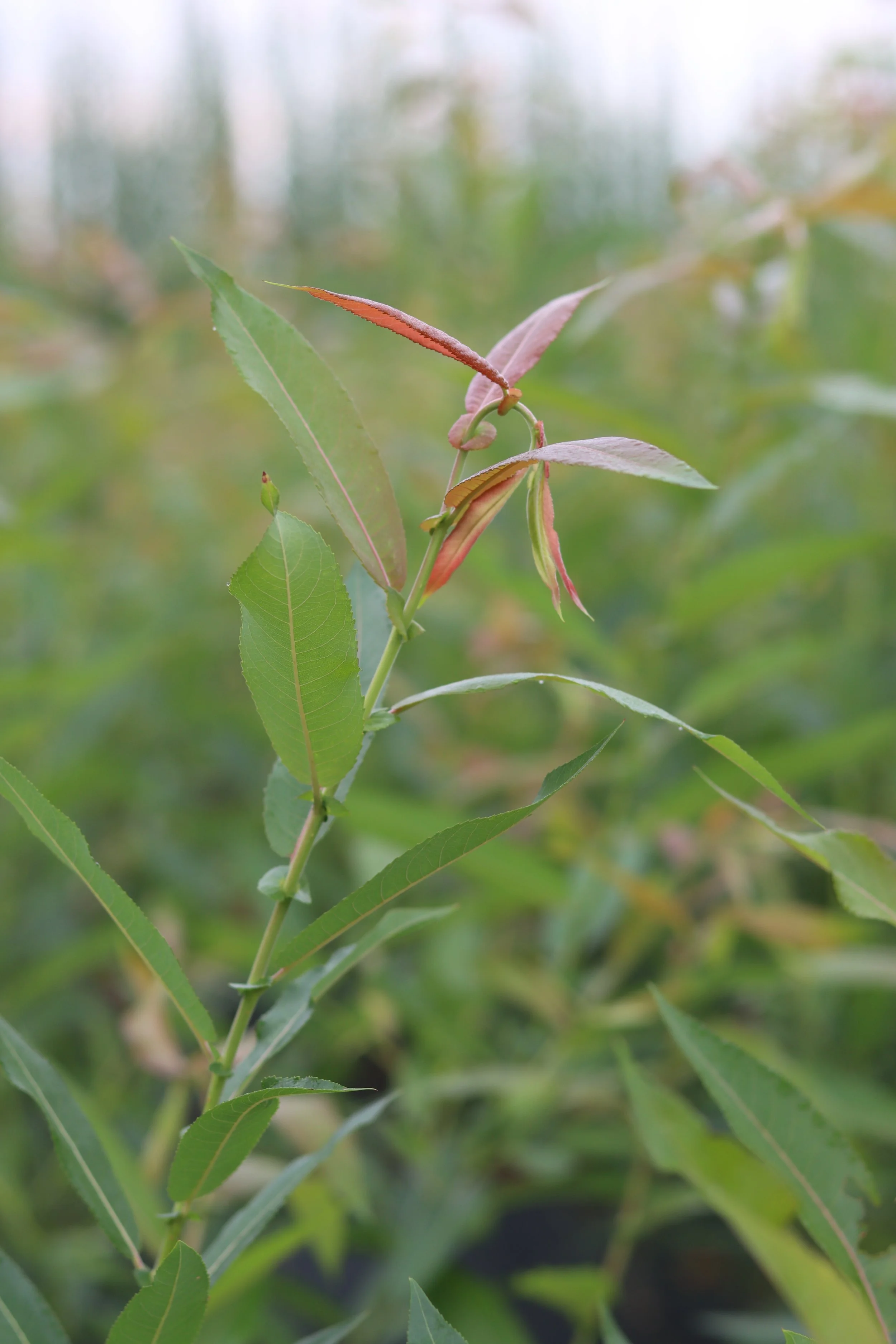
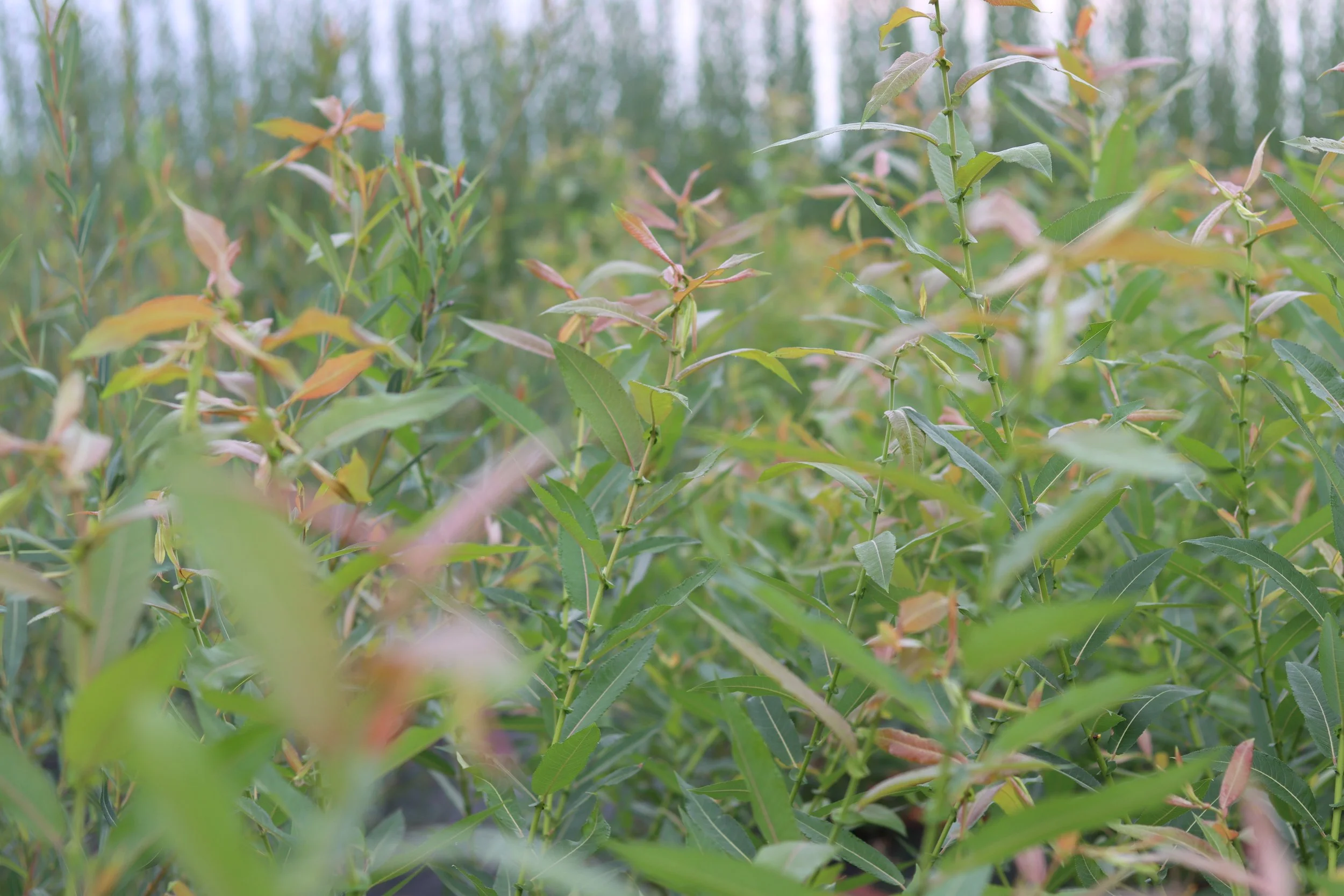
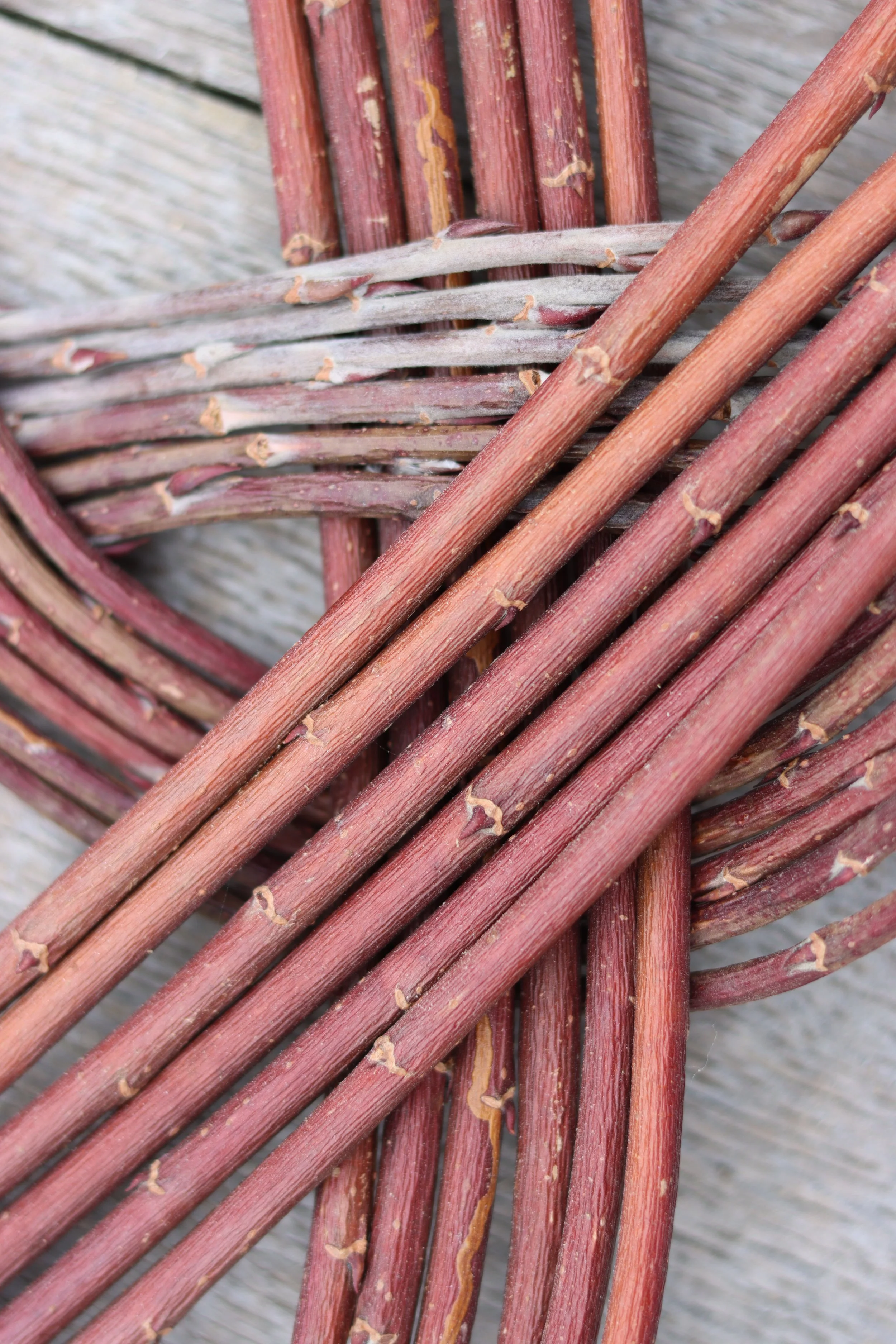
In the dormant season we harvest, sort, and dry willow for basketry. As a part of the harvest process we make cuttings for propagation. We use cuttings to plant more willow beds on the farm, and we sell cuttings.
This store page will be live on February 1st, 2027 and orders will be on a first come first serve basis, and will be shipped promptly - on the farm pick-up is also available. When you receive your cuttings they must be kept dormant in a cold, dark location until they can be planted in the spring.
For a larger selection, or if you live closer to central New York, we highly recommend ordering cuttings from Sandra at Willow Brook Basket Farm. She opens for pre-orders on January 1st, 2027. She also offers excellent planting workshops each spring.
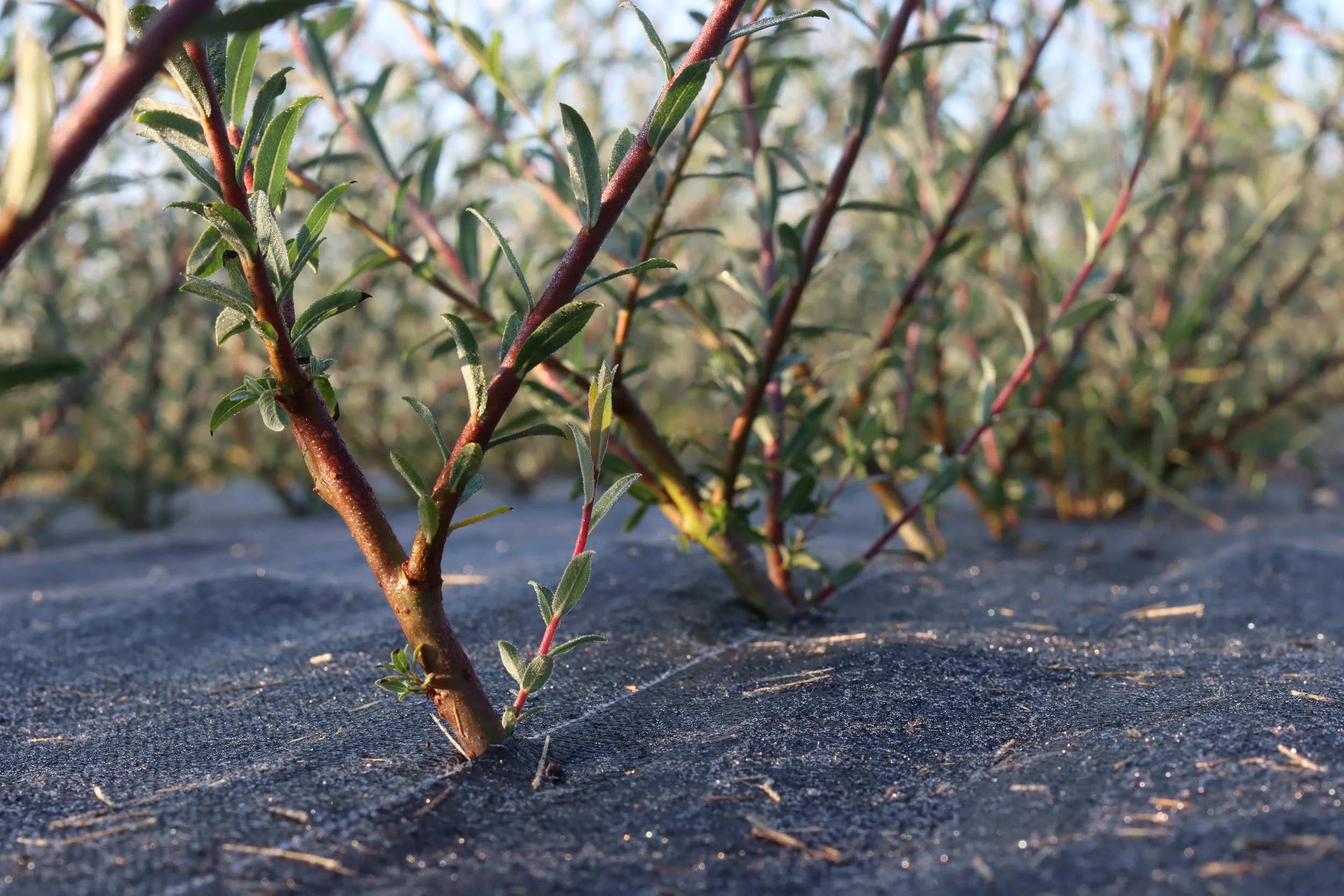
Basketry Willow
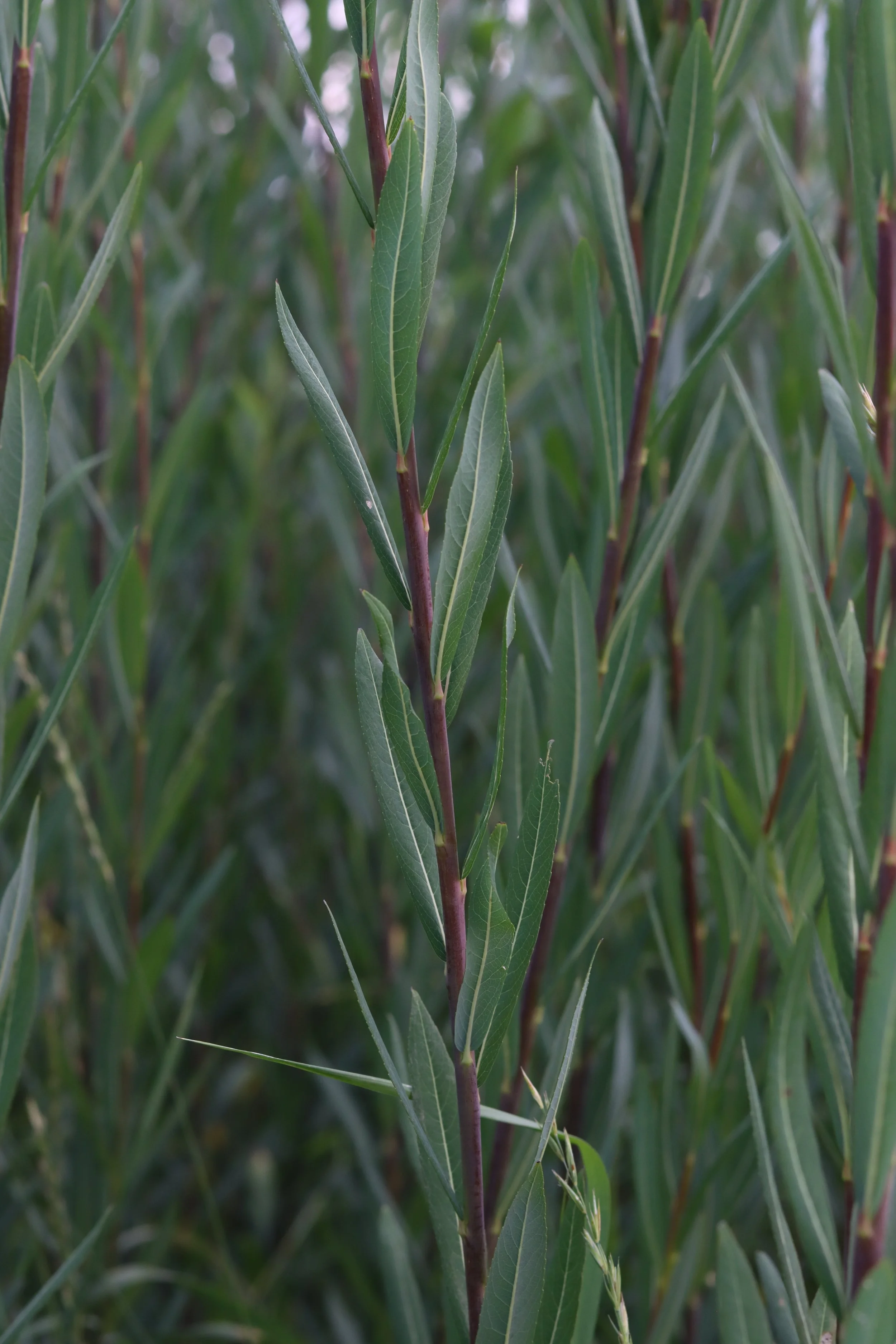
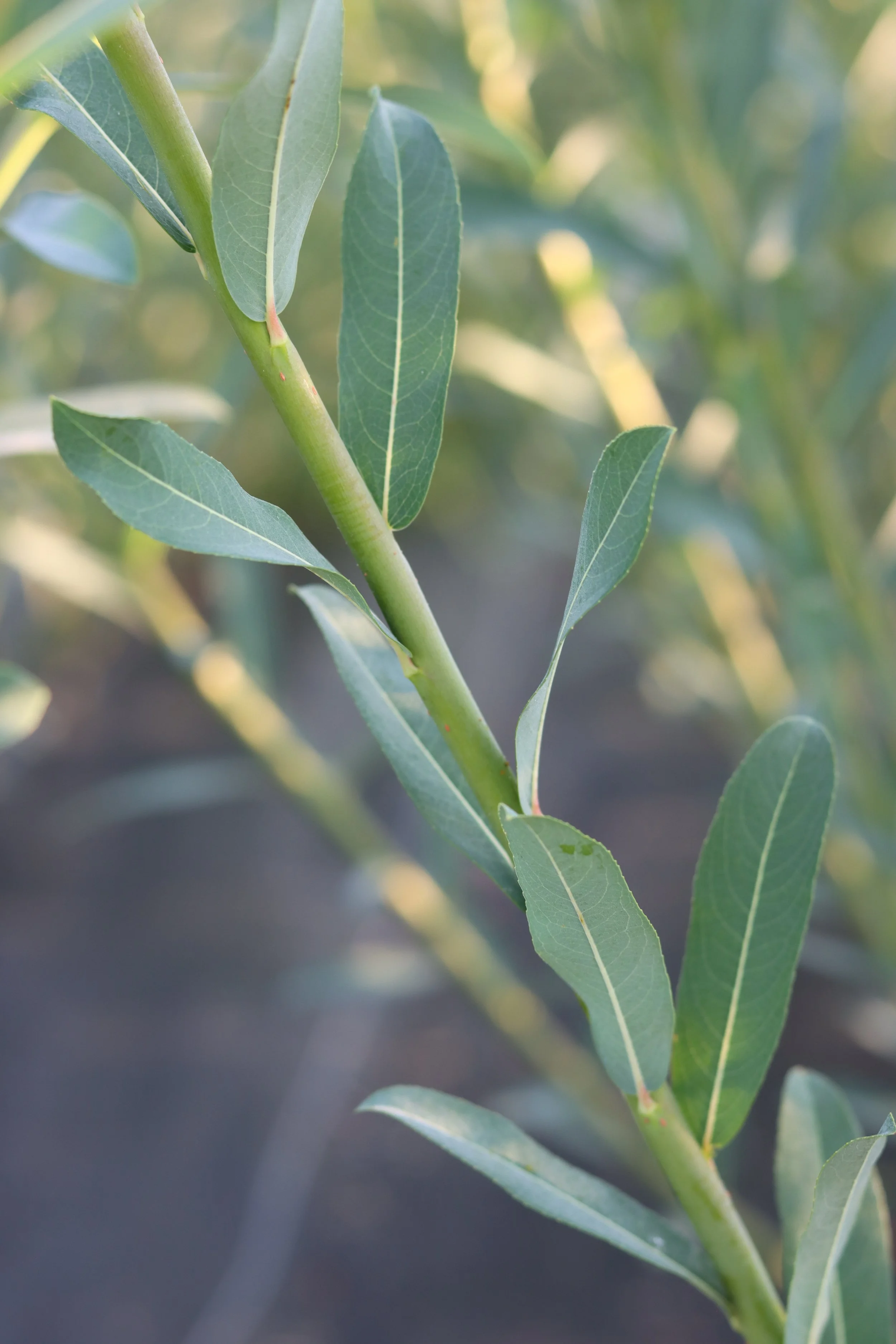
Most of the willow we grow is for basketry, and many of those varieties belong to the species Salix purpurea. Purpurea varieties stand out for their tendency to produce straight, branchless rods, and for the workability of the material. When dried the varieties we grow produce bark colors including blue, green, dark gray and purple. Dried bark color is highly dependent on the drying conditions - and changes a second time after soaking it to prepare for weaving.
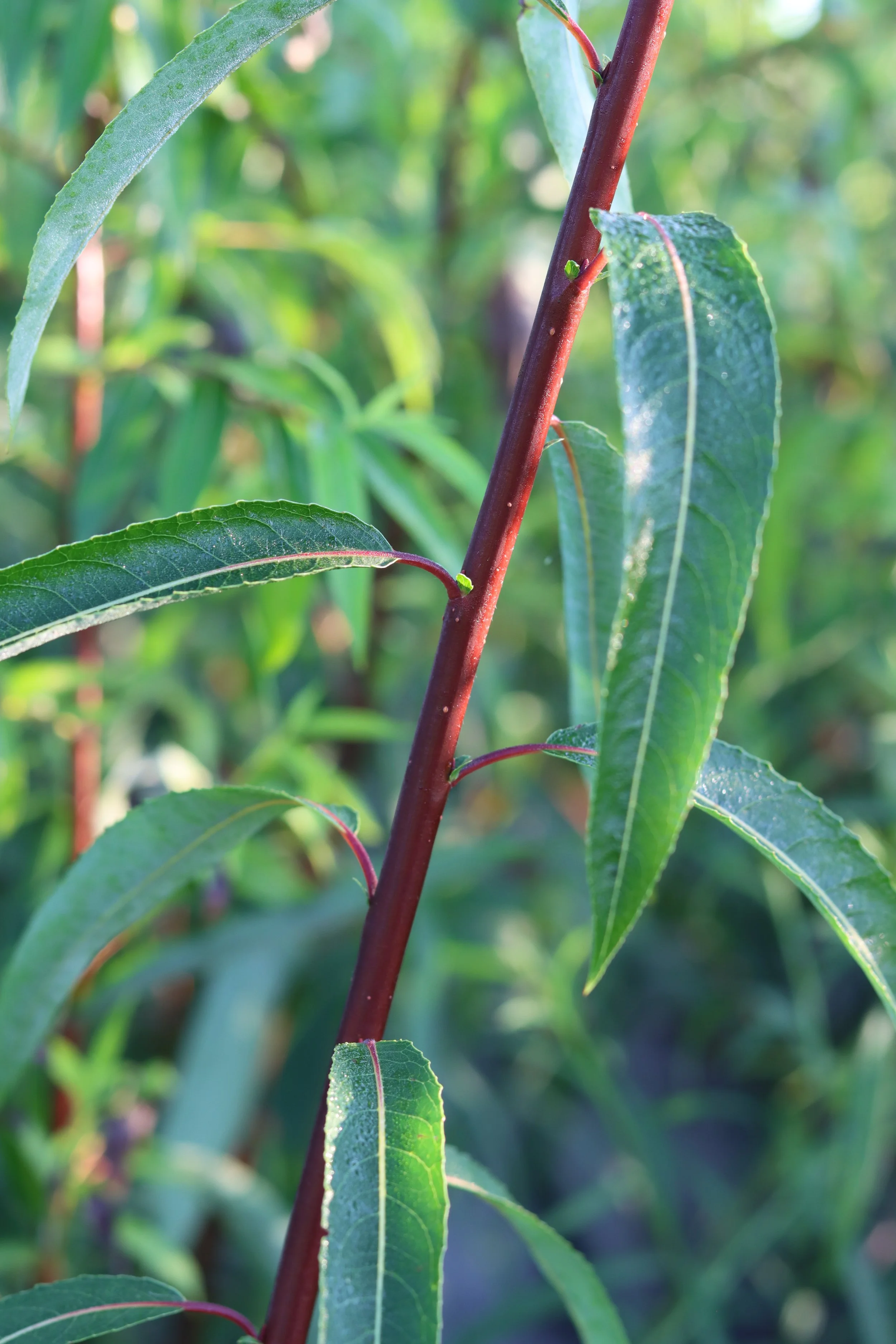
In addition to purpureas we grow several other varieties for basketry to get a wider range of bark colors, like brown, red, orange, and black. These varieties typically don’t grow as straight or as branchless, and are often are a compromise in workability. For us, the greater variety of bark color is worth the extra effort to harvest and sort. These varieties are Belgian Red, Acutifolia, S. x ‘Americana’, Flame Red, Flame Yellow, and Coral.
Of the many wild willow varieties we’ve found and cultivated over the last 5 years, one has been especially well suited for basket making. Hinesburg Green has good workability and growth habit, and is a prolific producer of thin, 4’ - 5’ rods. We believe it may be a Peach-leafed Willow hybrid.
Ornamental Willow
We grow some varieties of willow which are notable for their catkins, live bark color, or leaf color. Corral, Flame Red, and Flame Yellow are known for their bark color in the winter. Dappled willow is known for its variegated leaves. The varieties we grow for catkins are: Mt. Aso, French Pink, Black Cat, Winter Glory, and Fantail Willow.
Willow for Living Fences/Structures
S. koriyanagi ‘Rubykins’ is notable for its prolific first year growth. It is a common choice for living fence work, and for this reason we sell it by the rod (5’ - 9’), in addition to a 10” cutting. Rods can be planted just like cuttings, and the extra length can be woven to create a fence or structure.